

More Than Ancient Ruins…
The City That United Egypt
Memphis was one of the most important cities of Ancient Egypt and traditionally served as the first capital of the unified kingdom. Founded near the beginning of Egyptian history at the strategic meeting point between Upper and Lower Egypt, the city became a center of royal administration, craftsmanship, religion, and trade.
The ancient city was closely associated with Ptah, the creator god and patron of craftsmen. His great temple once dominated Memphis, attracting kings, priests, artisans, and pilgrims for centuries. Although much of the city has disappeared beneath later settlement and Nile deposits, surviving monuments reveal its former scale and importance.
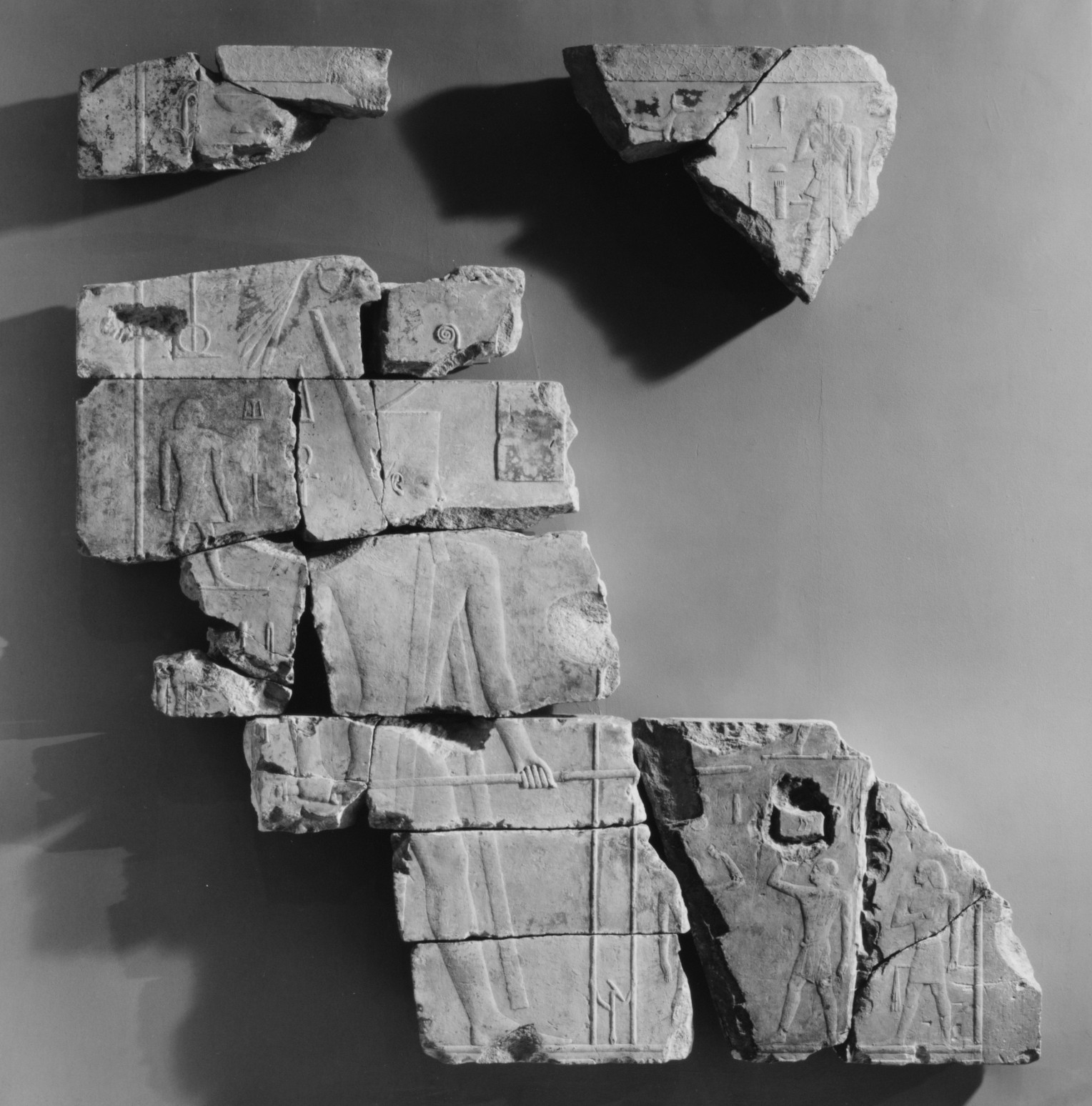
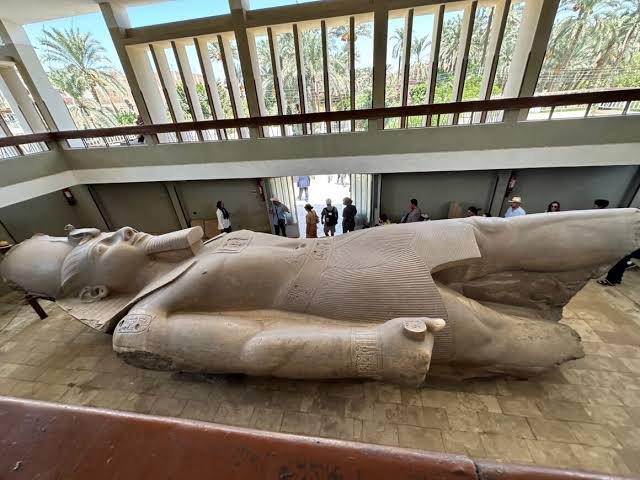
Today, visitors explore the archaeological area at Mit Rahina, where the colossal statue of Ramesses II, the Alabaster Sphinx, royal statues, temple remains, and other discoveries bring the story of Egypt’s first great capital back to life. Memphis is especially rewarding when combined with nearby Saqqara and Dahshur.

Discover Ten Remarkable Highlights of Egypt’s First Capital
Select a highlight to explore colossal royal statues, sacred temples, ancient cults, palace remains, and archaeological discoveries from the legendary city of Memphis.




Everything You Need to Know Before Visiting Memphis
Plan a smoother visit with practical advice about tickets, timing, photography, walking conditions, guiding, and combining ancient Memphis with nearby archaeological sites.
Tickets and Entry
Memphis is generally visited through the archaeological site and open-air museum at Mit Rahina. Ticket arrangements and access to individual areas can change, so confirm current visitor information before arrival.
Start Early
Morning is an excellent time to visit Memphis, especially during warmer months. Cooler temperatures and softer light make the open-air archaeological site more comfortable to explore.
Allow 1.5–2 Hours
Most visitors spend around one and a half to two hours exploring the open-air museum, colossal statues, the Alabaster Sphinx, and the principal archaeological remains.
Comfortable Walking Shoes
Wear comfortable walking shoes and lightweight clothing. A hat, sunglasses, and sun protection are useful because many of the monuments are displayed in open-air areas.
Royal Statues & Sphinx
Memphis offers excellent photography opportunities, especially around the colossal statue of Ramesses II, the Alabaster Sphinx, and the open-air archaeological displays.
Visit with an Egyptologist
A licensed Egyptologist can explain the rise of Memphis, the cult of Ptah, the city’s royal monuments, and its connection with the nearby necropolises of Saqqara and Dahshur.
Plan for Outdoor Walking
Most principal exhibits are above ground, but some areas include uneven surfaces and outdoor walking. Travelers with limited mobility should arrange a comfortable private route.
Combine It with Saqqara
Memphis works especially well with Saqqara and Dahshur. Combining these sites creates a fascinating chronological journey through Egypt’s first capital and the development of pyramid architecture.
Travel note: Opening hours, ticket arrangements, monument access, restoration work, and photography rules at Memphis can change. Confirm current visitor information before arrival.
Explore Memphis with a Private Egyptologist
Discover Egypt’s first capital through a carefully planned private visit with historical context, comfortable transportation, and time for the Ramesses II colossus, Alabaster Sphinx, temple remains, and open-air museum.
Remarkable Facts About Ancient Memphis
Discover the extraordinary history, royal monuments, religious traditions, and archaeological legacy of Egypt’s first great capital.
One of Egypt’s Earliest Capitals
Memphis developed near the beginning of dynastic history and became a political center at the meeting point of Upper and Lower Egypt.
Sacred City of the Creator God
Memphis was the principal cult center of Ptah, creator god and patron of craftsmen, whose temple once dominated the ancient city.
Colossus of Ramesses II
The monumental limestone statue of Ramesses II is one of the most impressive surviving royal sculptures discovered at Memphis.
UNESCO World Heritage
Memphis and its necropolis, including the pyramid fields from Giza to Dahshur, were inscribed on the UNESCO World Heritage List.
Private Egypt Tours Including Memphis
Discover carefully designed private Egypt tours featuring Memphis, Saqqara, the Giza Pyramids, museums, royal monuments, and Egypt’s most important archaeological and heritage sites.
Nearby Attractions Around Ancient Memphis
Continue exploring with important archaeological sites and museums located within practical reach of Ancient Memphis.
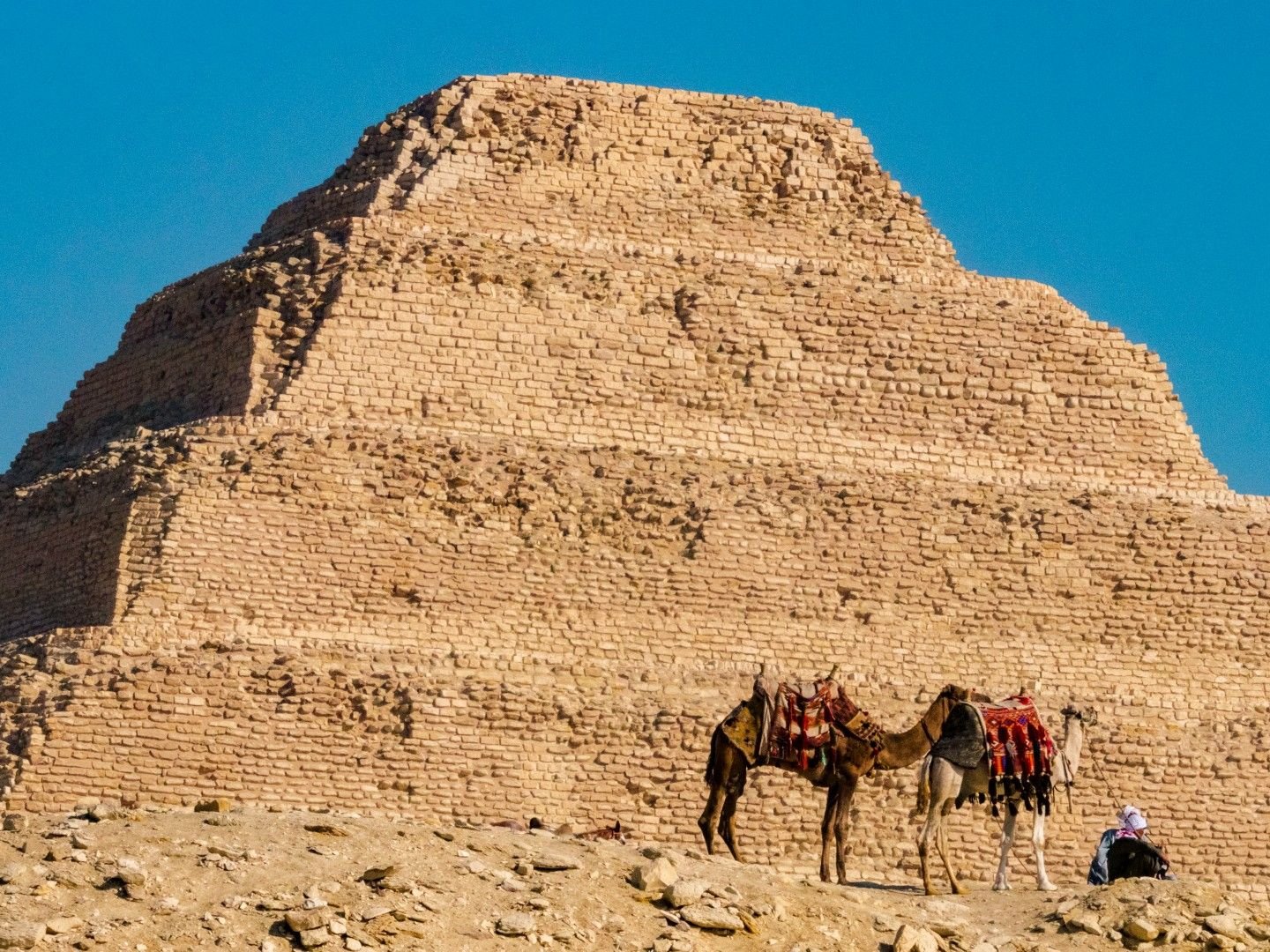
Saqqara Necropolis
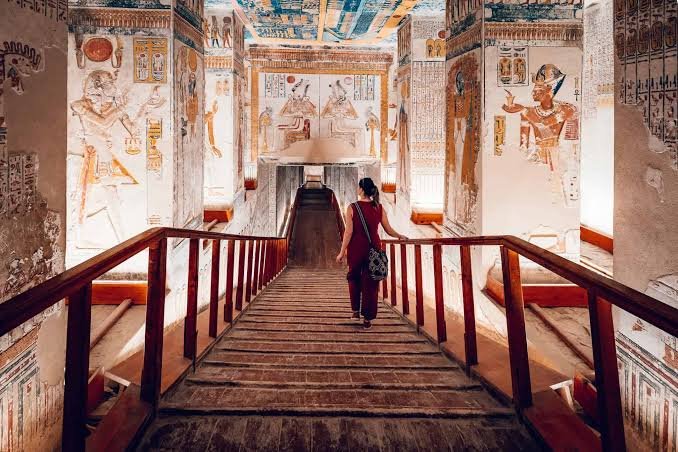
Explore the Step Pyramid of Djoser, decorated Old Kingdom tombs, ancient pyramids, and the remarkable Serapeum.
Explore Site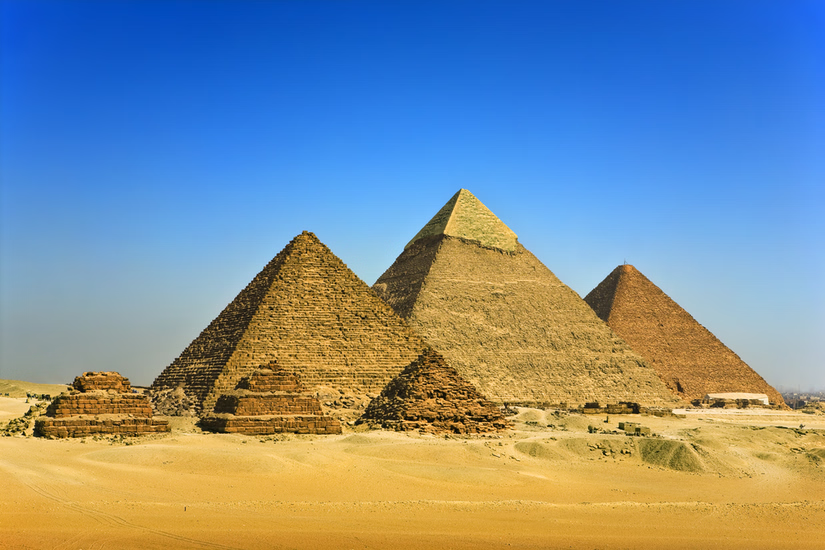
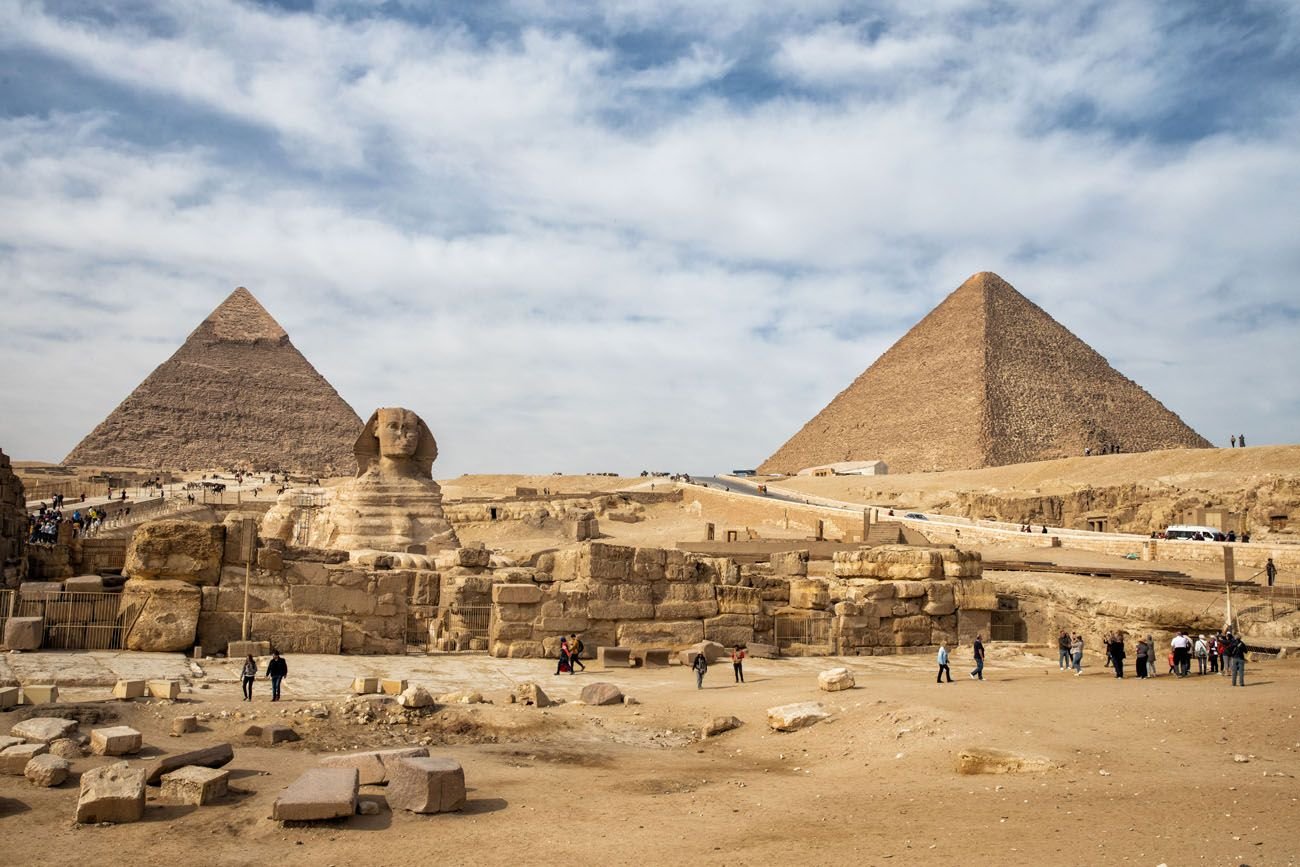
Giza Pyramids & Great Sphinx
Continue to the Giza Plateau to see the Great Pyramids, Great Sphinx, Valley Temple, and panoramic viewpoint.
Explore Site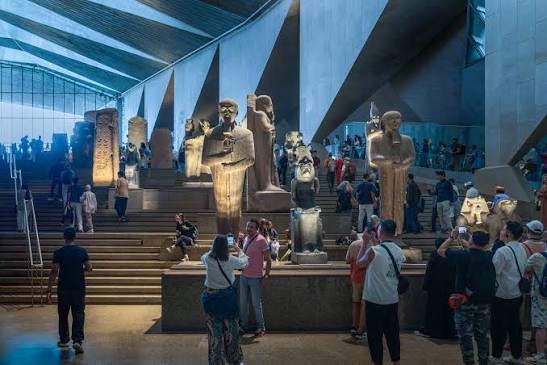
Grand Egyptian Museum
Discover monumental statues, royal treasures, and the extraordinary Tutankhamun collection at the Grand Egyptian Museum.
Explore Site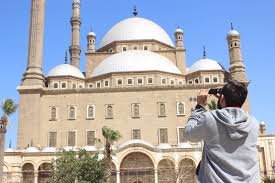
Saladin Citadel
Visit Cairo’s historic medieval fortress, the Muhammad Ali Mosque, and panoramic viewpoints over the capital.
Explore SiteFrequently Asked Questions
Everything you need to know before visiting ancient Memphis and the open-air museum at Mit Rahina.
How much time should I spend at Memphis?
Most visitors spend around one and a half to two hours exploring the open-air museum, the colossal statue of Ramesses II, the Alabaster Sphinx, and the principal archaeological remains.
Why is Memphis important in Ancient Egyptian history?
Memphis was one of the earliest capitals of unified Egypt and remained an important center of royal administration, religion, craftsmanship, and trade for thousands of years.
What can I see at the Memphis archaeological site?
Highlights include the colossal statue of Ramesses II, the Alabaster Sphinx, royal statues, inscriptions, architectural fragments, and remains connected with the great temple of Ptah.
Who was the main god worshipped at Memphis?
Ptah was the principal deity of Memphis. He was regarded as a creator god and the patron of craftsmen, and his great temple was one of the city’s most important religious institutions.
Is Memphis a UNESCO World Heritage Site?
Memphis forms part of the UNESCO World Heritage property officially known as “Memphis and its Necropolis – the Pyramid Fields from Giza to Dahshur.”
Can Memphis be combined with Saqqara?
Yes. Memphis and Saqqara are close to one another and are commonly combined in the same private tour. Adding Dahshur creates an excellent full-day journey through the early history of Egypt and pyramid development.
Is the Alabaster Sphinx at Memphis worth seeing?
Yes. The large calcite sphinx is one of the most distinctive surviving monuments from Memphis and one of the largest ancient Egyptian sphinx statues outside the Giza Plateau.
Is Memphis suitable for children and families?
Yes. The open-air setting and monumental statues can be engaging for families, particularly when a private Egyptologist explains the stories in a simple and interactive way.
Is Memphis accessible for visitors with limited mobility?
Many of the principal displays are above ground, but the archaeological area can include uneven surfaces and outdoor walking. A private vehicle and carefully planned route can make the visit more comfortable.
Is a private Egyptologist recommended for Memphis?
Yes. Because much of the ancient city survives only in fragments, a licensed Egyptologist adds valuable context and helps visitors understand how the statues, temple remains, religious traditions, and nearby necropolises fit together.