
The Hidden Royal Necropolis of Ancient Thebes
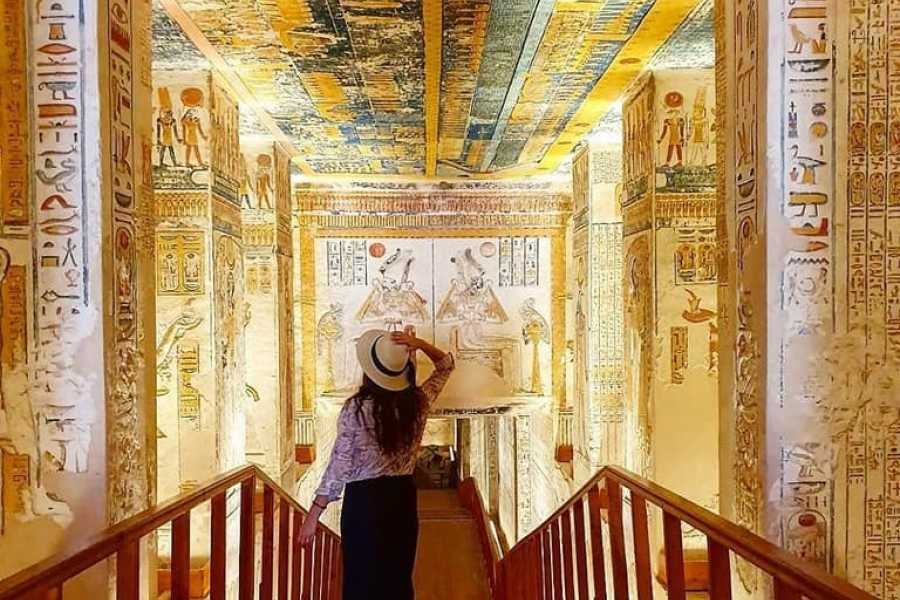
The Valley of the Kings Luxor was the principal royal burial ground of Egypt’s New Kingdom and one of the most important archaeological landscapes in the ancient world. Hidden within the limestone mountains of Luxor’s West Bank, the valley became the final resting place of powerful rulers from the 18th, 19th and 20th Dynasties.
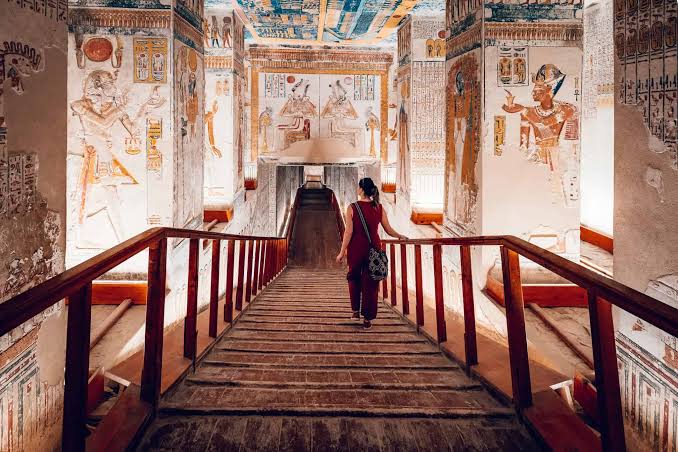
Unlike the monumental pyramids of earlier periods, New Kingdom pharaohs created elaborate underground tombs cut deep into the mountain. Long corridors, pillared halls and burial chambers were decorated with religious texts, gods, astronomical scenes and images intended to guide the king safely through the afterlife.
Visitors today can enter a rotating selection of royal tombs. Some exceptional tombs, including those of Tutankhamun, Seti I and Ramesses V & VI, may operate with additional admission arrangements. Together, the tombs preserve one of Egypt’s richest collections of New Kingdom funerary art.

Discover Remarkable Tombs in the Valley of the Kings
Explore some of the valley’s most significant royal tombs and discover sacred texts, painted ceilings, burial chambers and extraordinary New Kingdom funerary art.


Plan Your Valley of the Kings Visit
Prepare for a smoother visit with practical information about tomb access, walking conditions, heat, photography and choosing which royal tombs to enter.
Tickets and Tomb Access
The main admission normally provides access to a selection of currently open tombs. Certain special tombs can require additional tickets, and access arrangements may change.
Allow 3–4 Hours
Allow enough time for transportation within the archaeological area, walking between tomb entrances and exploring several royal tombs without rushing.
Start Early
Early morning is usually the most comfortable time to visit, particularly during warmer months when temperatures rise quickly across the exposed desert landscape.
Prepare for Heat & Steps
Wear comfortable shoes, lightweight clothing, a hat and sunscreen. Some tombs include steep stairs, sloping passages and long underground corridors.
Check Current Rules
Photography regulations can vary between tombs and may change. Flash, tripods or professional equipment may be restricted, so always follow current instructions.
Use an Egyptologist
An Egyptologist helps explain the pharaohs, tomb designs, sacred texts, gods and burial rituals so the wall decoration becomes far more meaningful.
Tombs Vary Greatly
Some tombs are easier to enter than others. Steep stairs, sloping ramps and narrow corridors make careful tomb selection important for visitors with limited mobility.
Add Hatshepsut & Memnon
The Valley of the Kings combines naturally with Hatshepsut Temple and the Colossi of Memnon for a classic Luxor West Bank sightseeing route.
Travel note: Open tombs, special-ticket tombs, ticket prices, photography policies and restoration schedules may change. Confirm current visitor information before arrival.
Explore the Valley with a Private Egyptologist
Discover the stories behind Luxor’s royal tombs, sacred texts and New Kingdom pharaohs with expert historical context and a carefully planned private West Bank itinerary.
Remarkable Facts About the Valley of the Kings
Discover fascinating milestones behind one of Egypt’s greatest archaeological landscapes.
Numbered Tombs
More than sixty numbered tombs and burial spaces have been identified within the Valley of the Kings.
Major Dynasties
The royal necropolis is particularly associated with rulers of Egypt’s 18th, 19th and 20th Dynasties.
Tutankhamun Discovered
Howard Carter’s discovery of KV62 transformed Tutankhamun into one of the most famous pharaohs in the world.
Years of Royal Burials
For almost five centuries the area was used for royal and elite burials during Egypt’s New Kingdom.
Private Egypt Tours Including the Valley of the Kings
Explore carefully designed Egypt itineraries that genuinely include the Valley of the Kings alongside Luxor’s temples, royal monuments and other iconic destinations.

Nearby Attractions Around the Valley of the Kings
Continue exploring Luxor’s West Bank and nearby monuments with archaeological sites that combine naturally with a visit to the Valley of the Kings.
Hatshepsut Temple
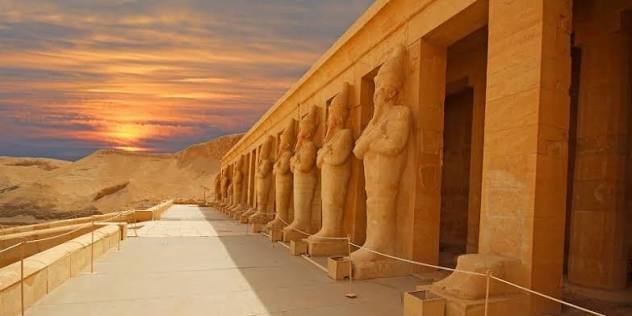
Visit Queen Hatshepsut’s spectacular terraced mortuary temple beneath the dramatic cliffs of Deir el-Bahari.
Explore Site
The Ramesseum
Explore the mortuary temple of Ramesses II, famous for monumental reliefs and the remains of a colossal royal statue.
Explore Site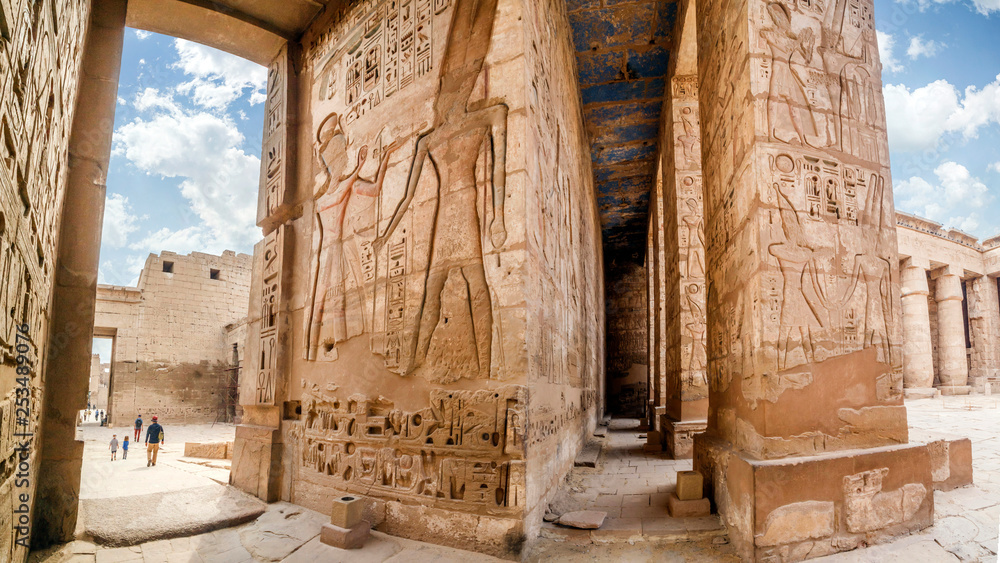
Medinet Habu Temple
Discover the impressive mortuary temple of Ramesses III, celebrated for monumental pylons and exceptionally preserved battle reliefs.
Explore Site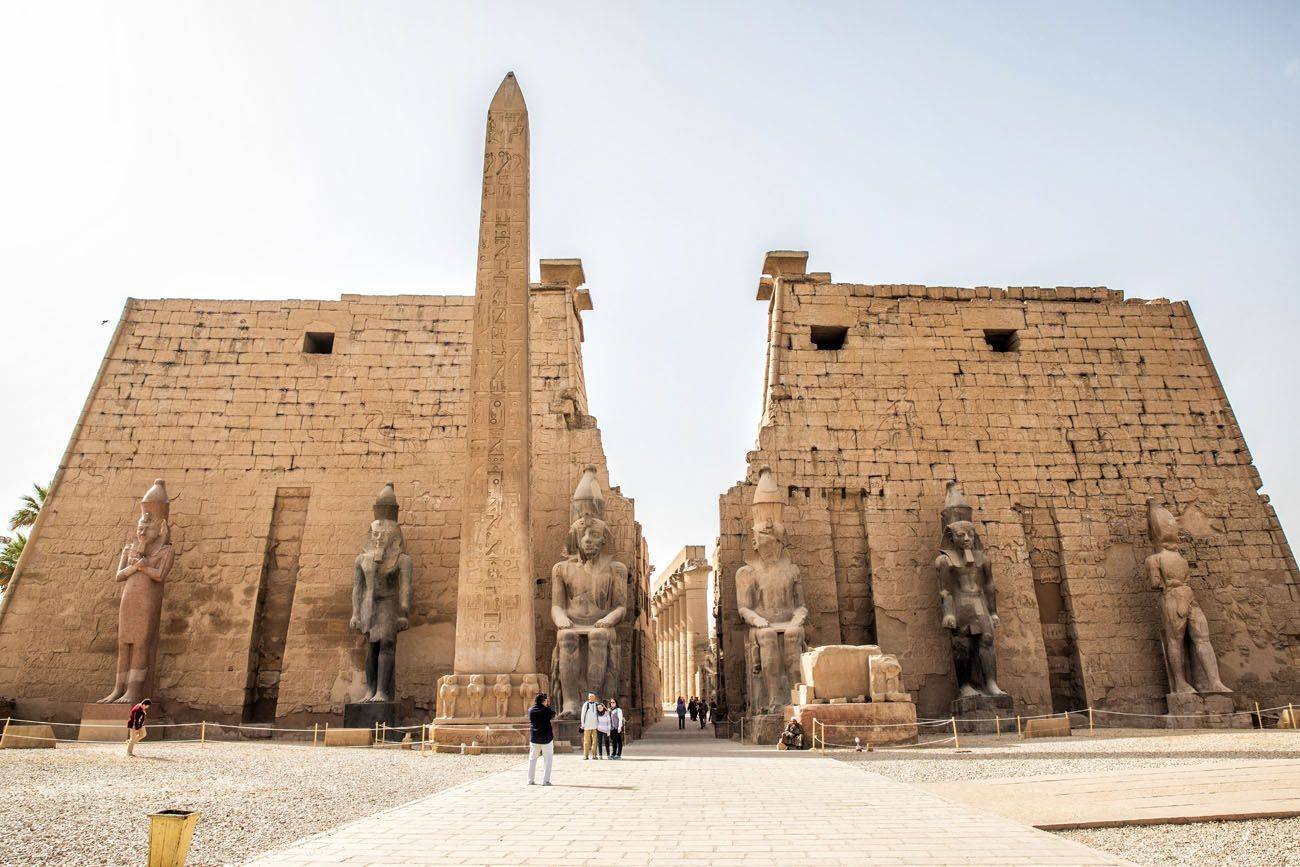
Luxor Temple
Cross to Luxor’s East Bank to explore this elegant riverside temple associated with kingship, renewal and the ancient Opet Festival.
Explore SiteFrequently Asked Questions
Everything you need to know before visiting the Valley of the Kings in Luxor.
How many tombs can I visit with the standard Valley of the Kings ticket?
The standard admission normally provides entry to a limited selection of currently open tombs. The exact tombs available and admission arrangements can change, so check the current information when you arrive.
Does Tutankhamun’s tomb require a separate ticket?
Tutankhamun’s tomb commonly operates with additional admission beyond the standard Valley ticket. Because ticket arrangements may change, confirm the current policy before your visit.
Which tombs are the best to visit?
Popular choices often include richly decorated tombs such as KV9, KV11 and KV2, while special-access tombs such as Seti I or Tutankhamun can offer very different experiences. The best combination depends on which tombs are open during your visit.
How much time should I spend in the Valley of the Kings?
Around three to four hours is comfortable for most visitors, allowing time for transport inside the valley, walking between tombs and exploring several burial chambers.
Is the Valley of the Kings part of a UNESCO World Heritage Site?
Yes. The Valley of the Kings forms part of the UNESCO World Heritage property known as Ancient Thebes with its Necropolis.
Is photography allowed inside the tombs?
Photography rules can vary by tomb and can change. Restrictions may apply to flash, tripods or professional equipment, so follow the current instructions displayed at each tomb.
Is the Valley of the Kings suitable for visitors with limited mobility?
Accessibility varies considerably between tombs. Some have relatively straightforward entrances, while others include steep stairs, long ramps, narrow corridors or uneven surfaces.
Can I visit the Valley of the Kings and Hatshepsut Temple on the same day?
Yes. The Valley of the Kings and Hatshepsut Temple are located close to each other on Luxor’s West Bank and are commonly combined with the Colossi of Memnon in the same sightseeing itinerary.
Why were the pharaohs buried in the Valley of the Kings instead of pyramids?
New Kingdom rulers adopted concealed rock-cut tombs rather than the monumental pyramid form used by earlier kings. The secluded Theban landscape offered a sacred setting for royal funerary beliefs and allowed increasingly elaborate underground tomb complexes to be created.
Is a private Egyptologist recommended?
Yes. An Egyptologist can explain the history of the pharaohs, tomb architecture, religious texts, gods and burial rituals before you enter each tomb, helping you understand the scenes you will see inside.