

Luxor Museum
Discover one of Egypt’s most beautifully curated archaeological museums, home to remarkable statues, royal treasures and masterpieces discovered across ancient Thebes.
A Refined Collection from the Heart of Ancient Thebes
Luxor Museum stands on the Nile Corniche in the heart of modern Luxor, overlooking the East Bank of the river. Officially opened in 1975, the museum was designed to present a carefully selected collection rather than overwhelm visitors with thousands of objects.
Its galleries focus strongly on discoveries from ancient Thebes and the New Kingdom, bringing visitors face to face with exceptional statues of kings and gods, architectural fragments, funerary objects and treasures connected with some of Egypt’s most famous archaeological discoveries.
One of the museum’s great strengths is its elegant presentation. Dramatic lighting and generous gallery space allow individual masterpieces to stand out, making Luxor Museum an excellent place to understand the artistic quality and historical importance of objects found around Karnak, Luxor Temple and the Theban necropolis.

8 Highlights of Luxor Museum
Discover royal sculpture, archaeological treasures and masterpieces connected with ancient Thebes.

Luxor Temple Cachette
A spectacular group of statues was discovered beneath the courtyard of Amenhotep III at Luxor Temple. Many of these beautifully preserved royal and divine sculptures are now among the museum’s greatest treasures.
Explore with an Egyptologist →
Amenhotep III
The museum preserves outstanding works connected with Amenhotep III, one of Egypt’s greatest builders and the king responsible for major monuments across ancient Thebes.
Discover Royal Art →
Thutmose III
Elegant royal sculpture demonstrates the extraordinary technical skill of New Kingdom artists and the idealized way Egypt’s rulers were represented.
See New Kingdom Art →
Sobek & Amenhotep III
One of the museum’s memorable masterpieces represents the powerful relationship between the king and the divine world, combining royal imagery with the crocodile god Sobek.
Understand the Symbolism →
Tutankhamun Objects
Selected objects connected with Tutankhamun help link the museum directly with the extraordinary archaeological story of the Valley of the Kings.
Explore the Royal Story →
Theban Sculpture
Statues of rulers, deities and officials reveal changes in artistic style while showing the exceptional craftsmanship produced in the ancient Theban region.
Explore Ancient Thebes →
Ancient Luxor Through Time
The galleries trace Luxor’s long historical importance through objects associated with the temples, tombs and people who shaped ancient Thebes.
Plan Your Museum Visit →
Archaeological Finds
Objects discovered across the Luxor region give visitors an excellent introduction to the archaeology they will encounter at the temples and necropolises around the city.
Build Your Luxor Itinerary →Plan Your Luxor Museum Visit
Useful information for enjoying one of Luxor’s most rewarding archaeological museums.
Tickets & Entry
Ticket prices and entry arrangements can change, so confirm current visitor information before your museum visit.
Check the Daily Schedule
Luxor Museum can operate separate morning and evening visiting periods, so check current opening hours before arrival.
Allow 1.5–2 Hours
Around two hours gives enough time to appreciate the major statues, galleries and archaeological displays without rushing.
Nile Corniche
The museum occupies a convenient riverside location on Luxor’s East Bank between the central city and Karnak area.
East Bank Highlights
Luxor Museum combines especially well with Karnak Temple, Luxor Temple and the Mummification Museum.
Check Current Rules
Photography regulations can change and some objects may have restrictions. Follow the current museum instructions.
Art & History Lovers
The museum is particularly rewarding for travelers interested in royal sculpture, archaeological discoveries and New Kingdom history.
Add an Egyptologist
Expert context connects the museum’s objects with monuments you may already have visited at Karnak, Luxor Temple and the West Bank.
Explore Luxor Museum with a Private Egyptologist
Discover the stories behind the royal statues, Theban masterpieces and archaeological finds while connecting each object with Luxor’s temples and tombs.
4 Facts About Luxor Museum
A focused collection can reveal an extraordinary amount about the ancient capital of Thebes.
The Museum Opens
Luxor Museum officially opened in 1975 as a dedicated home for archaeological discoveries connected with Luxor and ancient Thebes.
Luxor Temple Cachette
A remarkable group of royal and divine statues was discovered beneath the courtyard of Amenhotep III at Luxor Temple.
Cachette Gallery
A dedicated gallery was opened to present the magnificent statues discovered at Luxor Temple.
Glory of Thebes
The museum expanded its presentation with the opening of the Glory of Thebes gallery.
Want to Add Luxor Museum to Your Egypt Tour?
We can include Luxor Museum in a private East Bank itinerary and combine it with Karnak Temple, Luxor Temple, the Mummification Museum or other Luxor highlights.
Make Luxor Museum Part of Your Luxor Experience
Tell us what interests you and we’ll create a private itinerary with an Egyptologist, comfortable transportation and a route tailored to your pace.
Continue Exploring Luxor
Combine Luxor Museum with these important archaeological and cultural highlights around the city.
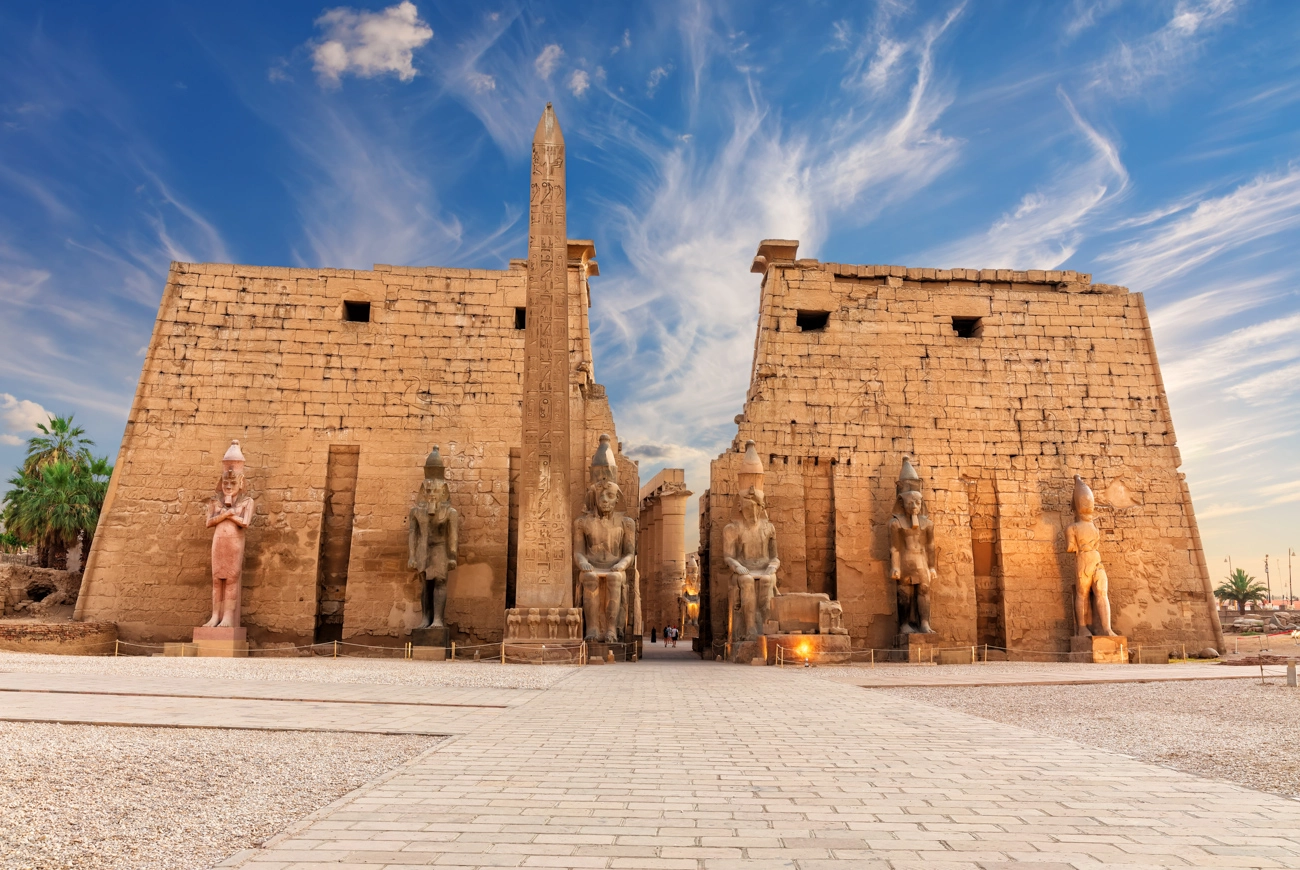
Luxor Temple
Explore one of ancient Thebes’ most atmospheric temples in the heart of modern Luxor.
Explore Site →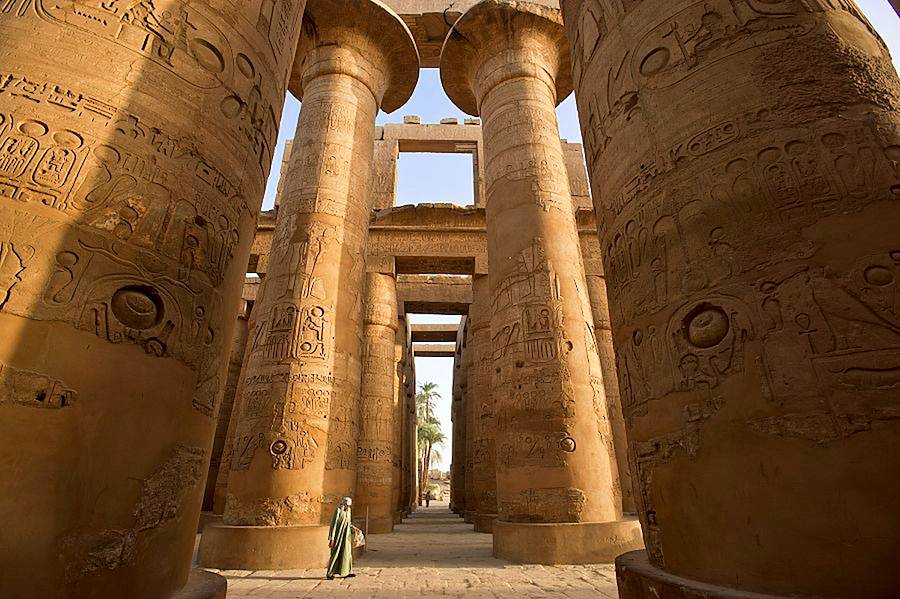
Karnak Temple Complex
Walk through the immense sanctuary of Amun and the monumental Great Hypostyle Hall.
Explore Site →
Mummification Museum
Discover embalming tools, mummies and ancient Egyptian beliefs about death and the afterlife.
Coming Soon
Colossi of Memnon
See the two monumental seated statues of Amenhotep III guarding the Theban West Bank.
Coming SoonFrequently Asked Questions
Everything you need to know before visiting Luxor Museum in Egypt.
What is Luxor Museum?
Luxor Museum is an archaeological museum on the Nile Corniche displaying a carefully curated collection of objects discovered in Luxor and ancient Thebes.
Where is Luxor Museum located?
The museum is located on the East Bank of Luxor along the Nile Corniche, between the central Luxor area and Karnak.
When did Luxor Museum open?
Luxor Museum officially opened in 1975.
What is Luxor Museum famous for?
It is especially famous for its beautifully presented New Kingdom sculpture and the remarkable statues discovered in the Luxor Temple cachette.
What can visitors see inside Luxor Museum?
Visitors can see royal statues, images of ancient Egyptian deities, archaeological finds from Thebes, funerary objects and selected pieces connected with Tutankhamun and the Valley of the Kings.
How long should I spend at Luxor Museum?
Around one and a half to two hours is comfortable for most visitors and allows enough time to appreciate the major galleries.
Can I visit Luxor Museum and Karnak Temple on the same day?
Yes. Both are on Luxor’s East Bank and can easily be combined in the same private sightseeing itinerary.
Can I combine Luxor Museum with Luxor Temple?
Yes. Luxor Temple is only a short drive away, making the two attractions an excellent combination.
Is Luxor Museum suitable for families?
Yes. Its manageable size and clear presentation make it easier for families to explore than a very large museum collection.
Is an Egyptologist guide useful at Luxor Museum?
Yes. A knowledgeable Egyptologist can explain the historical context of the statues and connect museum objects with the temples and tombs where many were discovered.