

More Than a Historic Quarter…
Where Cairo’s Faiths and Civilizations Meet
Old Cairo is one of the city’s richest historic districts, where Roman, Coptic Christian, Jewish, and early Islamic heritage exist within a remarkably compact area. Its story reaches back to the Roman fortress of Babylon and the communities that developed around it during the earliest centuries of Christianity in Egypt.
Over the centuries, churches, monasteries, a synagogue, and later Islamic monuments grew around the Roman stronghold. The nearby city of Fustat became Egypt’s first Islamic capital, adding another important chapter to the district’s layered history.
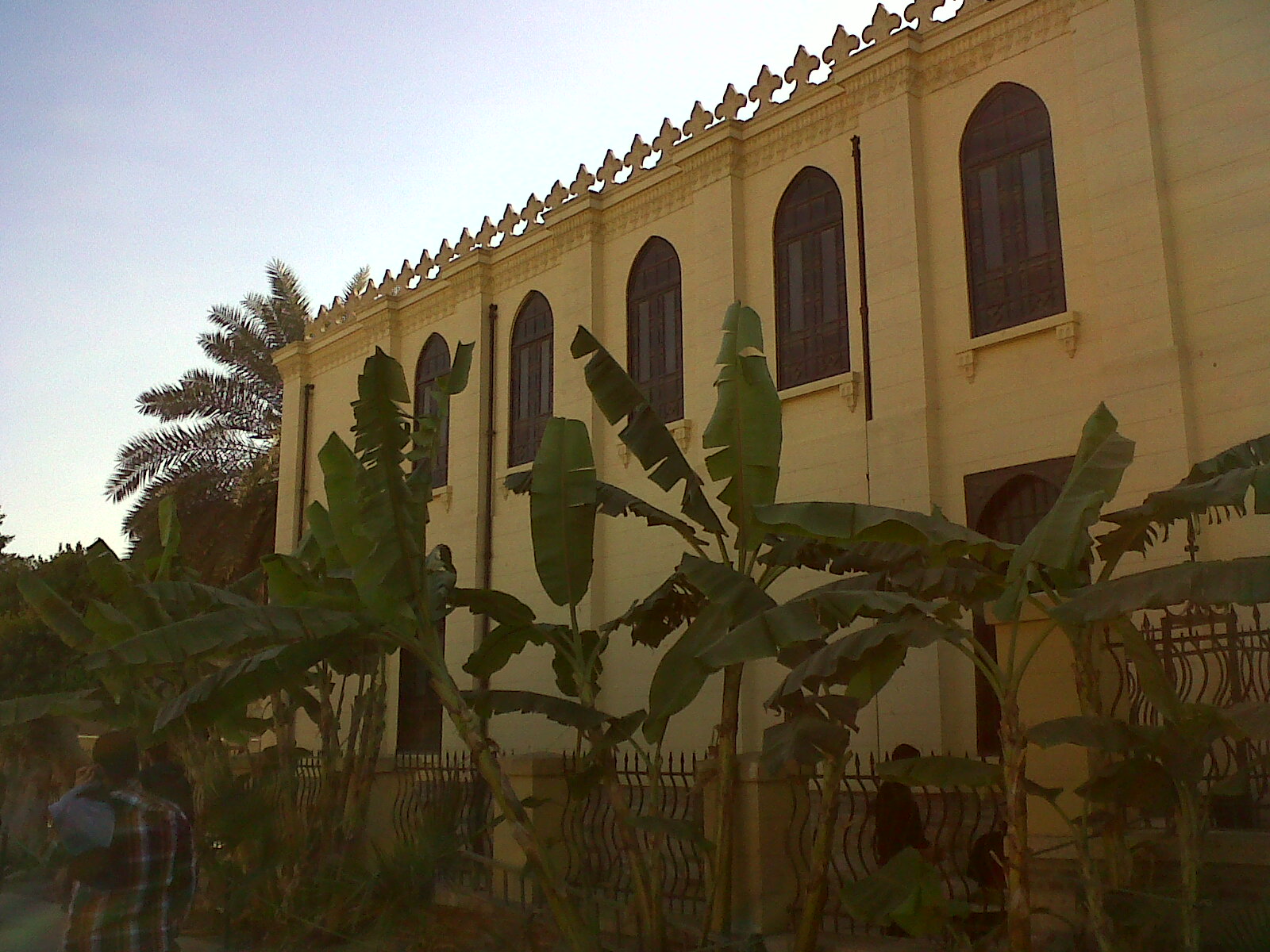
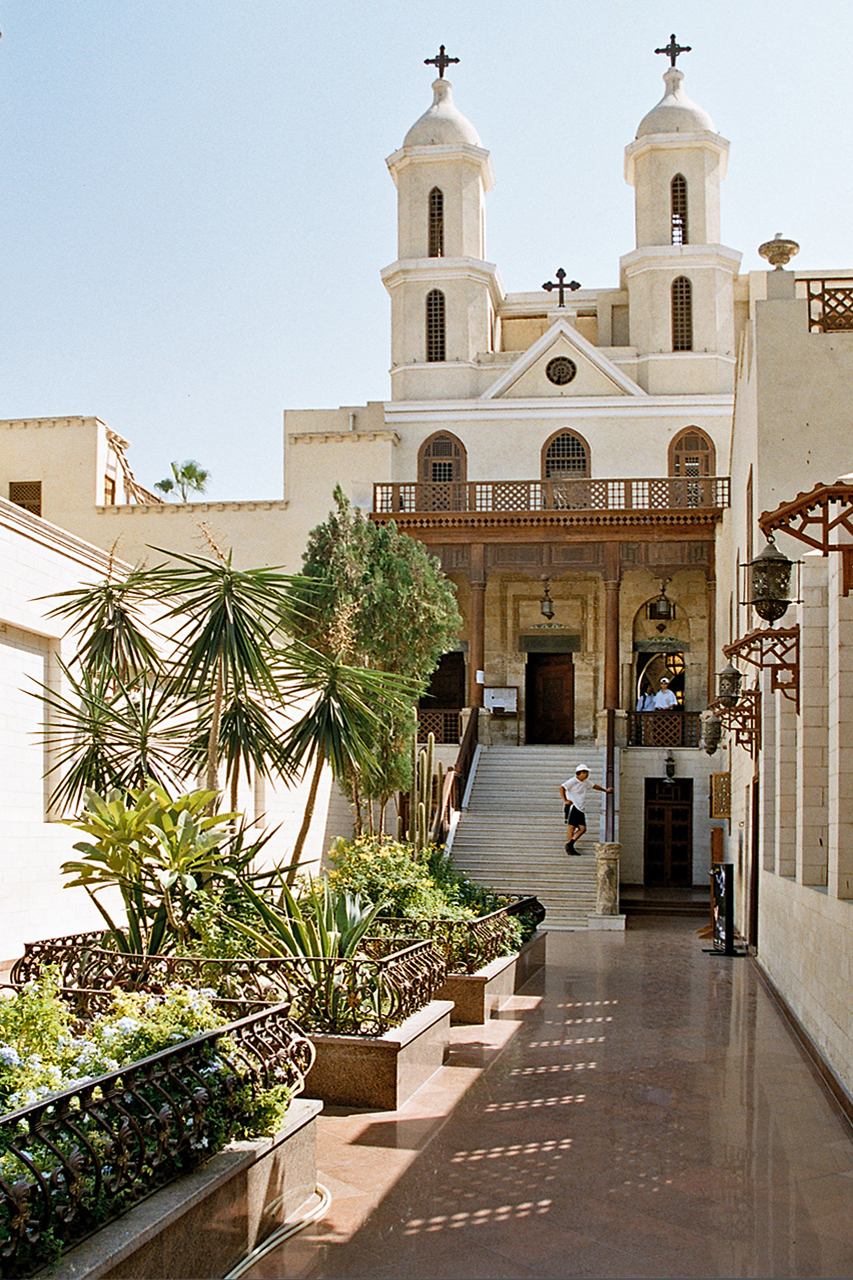
Today, visitors can explore the Hanging Church, Abu Serga, Ben Ezra Synagogue, the Coptic Museum, the Fortress of Babylon, and nearby Fustat in one rewarding heritage visit. Old Cairo combines especially well with NMEC and the Saladin Citadel.

Discover Ten Remarkable Landmarks Across Historic Old Cairo
Select a landmark to explore ancient churches, Roman remains, sacred traditions, museums, synagogues, and historic streets across Old Cairo and Fustat.




Plan Your Old Cairo Visit
Prepare for a smoother visit with practical information about timing, church etiquette, museum tickets, photography, walking conditions, accessibility, and exploring Coptic Cairo and Fustat.
Tickets and Entry
Many churches in Old Cairo can be visited individually, while the Coptic Museum and selected attractions require admission tickets. Opening arrangements may change, especially during religious services.
Allow 3–4 Hours
Allow enough time to explore the Hanging Church, Saints Sergius and Bacchus Church, Ben Ezra Synagogue, the Coptic Museum, Roman fortress remains, and nearby Fustat without rushing.
Start in the Morning
Morning visits are usually quieter and make it easier to explore the churches and museum before the busiest part of the day. Religious services may affect access to individual sites.
Dress Respectfully
Wear modest clothing suitable for active religious sites, with shoulders and knees covered. Speak quietly inside churches and avoid interrupting prayers or religious services.
Check Before Taking Photos
Old Cairo offers beautiful photography in historic lanes, courtyards, churches, and Roman remains. Photography policies may vary inside museums and active places of worship.
Explore with an Egyptologist
A licensed Egyptologist can connect Roman Babylon, Coptic Christianity, Jewish heritage, Fustat, and the beginnings of Islamic Cairo into one clear historical story.
Expect Historic Walkways
Old Cairo includes narrow lanes, steps, uneven paving, and historic buildings with different levels of accessibility. Travelers with limited mobility should plan the route carefully.
Combine with NMEC & Fustat
Old Cairo combines perfectly with the National Museum of Egyptian Civilization and historic Fustat for a complete cultural journey through Cairo’s religious and urban history.
Travel note: Church opening times, museum tickets, religious services, restoration work, and photography rules may change. Confirm current visitor information before arrival.
Explore Old Cairo with a Private Egyptologist
Discover Roman Babylon, Coptic churches, Jewish heritage, and historic Fustat through a carefully planned private visit with clear historical context and comfortable transportation.
Remarkable Facts About Old Cairo
Discover fascinating facts about the Roman, Coptic, Jewish, and early Islamic heritage that shaped one of Cairo’s oldest historic districts.
Built Around Babylon Fortress
Much of Coptic Cairo developed around the Roman Fortress of Babylon, whose surviving towers and walls still form part of the district today.
Rise of Fustat
Fustat was founded in the 7th century and became Egypt’s first Islamic capital, creating a new urban center beside older Roman and Christian settlements.
A Shared Heritage District
Coptic churches, the Ben Ezra Synagogue, Roman remains, and nearby Islamic monuments preserve the district’s remarkable shared religious heritage.
The Coptic Museum Opens
Founded in 1910, the Coptic Museum preserves one of the world’s most important collections of Egyptian Christian art, manuscripts, textiles, and icons.
Private Egypt Tours Featuring Old Cairo
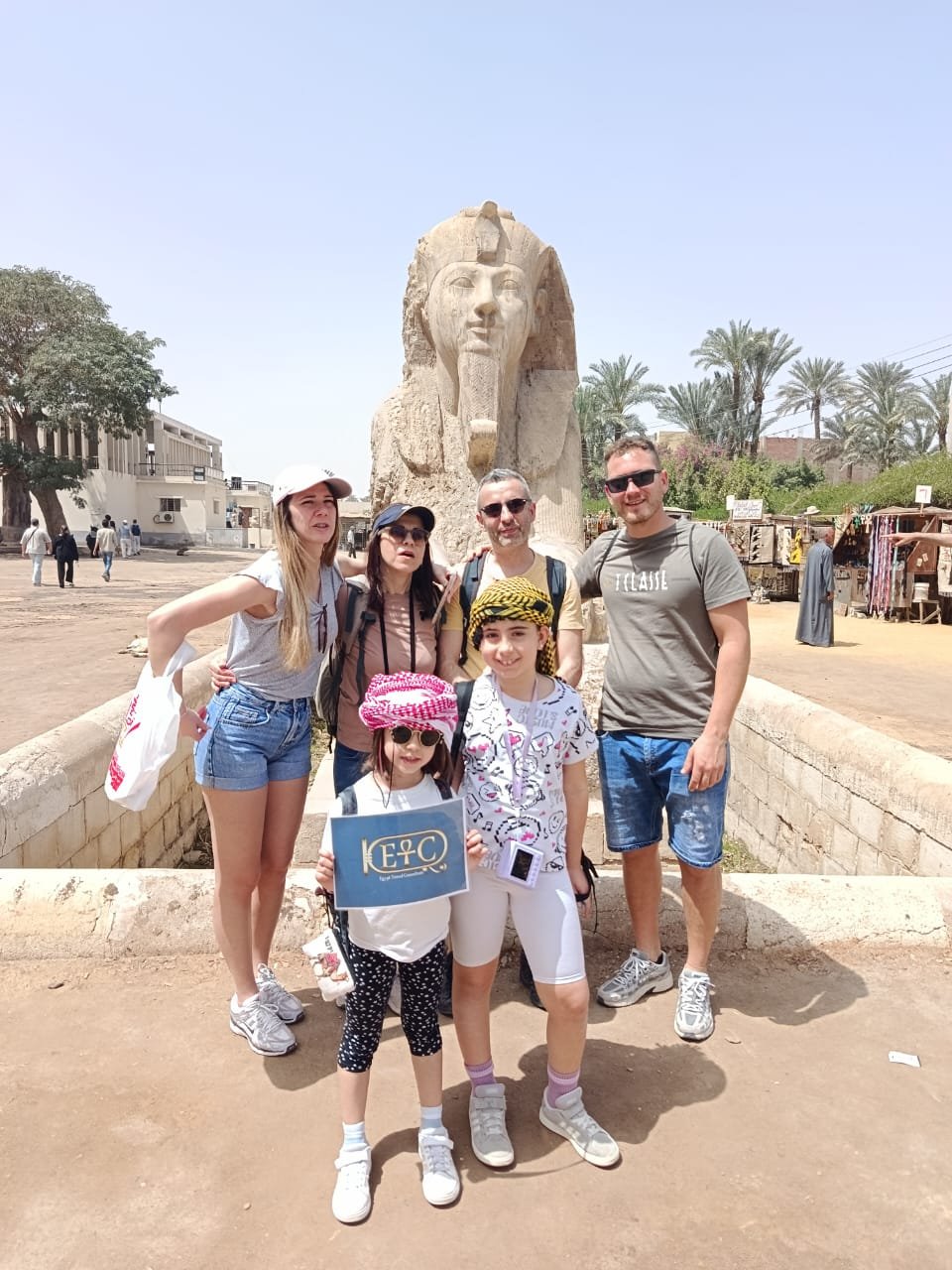
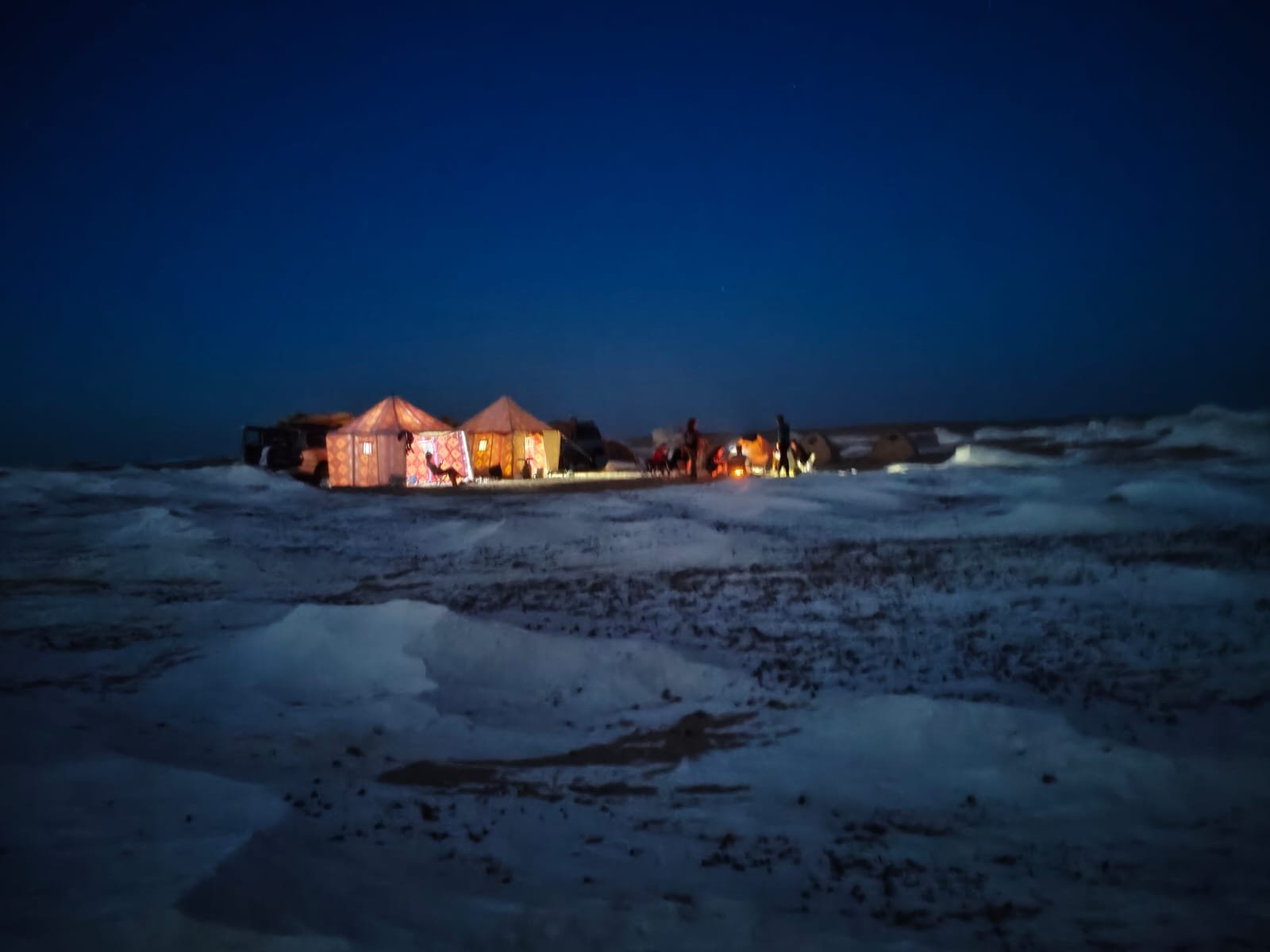
Discover different Egypt journeys that include Old Cairo, from family adventures and Christian heritage routes to Cairo and desert experiences.
Nearby Attractions Around Old Cairo
Continue exploring Cairo through four important museums, monuments, and historic districts within easy reach of Coptic Cairo.

NMEC
Follow Egypt’s story across the ages and visit the celebrated Royal Mummies Hall.
Explore Site
Saladin Citadel
Visit Cairo’s medieval fortress, monumental mosques, museums, and panoramic viewpoints.
Explore Site
Al-Muizz Street
Walk through one of Cairo’s greatest open-air collections of medieval Islamic architecture.
Explore Site
Egyptian Museum
Discover a landmark collection of royal objects, statues, jewelry, and ancient Egyptian masterpieces.
Explore SiteFrequently Asked Questions
Everything you need to know before visiting Old Cairo, Coptic Cairo, and historic Fustat.
How much time should I spend in Old Cairo?
Most visitors should allow around two to three hours for the Hanging Church, Abu Serga, Ben Ezra Synagogue, the Coptic Museum, and the Roman Fortress of Babylon.
Why is Old Cairo important in Egyptian history?
Old Cairo preserves Roman, Coptic Christian, Jewish, and early Islamic heritage and helps explain how the modern city developed from earlier settlements including Babylon and Fustat.
What are the main attractions in Old Cairo?
Highlights include the Hanging Church, Saints Sergius and Bacchus Church, Ben Ezra Synagogue, the Coptic Museum, the Fortress of Babylon, Saint George Church, and nearby Fustat.
What is the Fortress of Babylon?
The Fortress of Babylon was a Roman military stronghold in the area now known as Old Cairo. Parts of its towers and walls survive and became foundations for later Coptic churches.
What is the best time to visit Old Cairo?
Morning is usually the most comfortable time to explore the churches, museum, Roman remains, and historic lanes before the district becomes busier.
What attractions can be combined with Old Cairo?
NMEC and historic Fustat are the closest additions. The Saladin Citadel, Sultan Hassan Mosque, and Islamic Cairo can also be included in a longer private heritage tour.
Is the Roman Fortress of Babylon worth visiting?
Yes. Its surviving Roman towers and walls reveal the foundations of the district, while several historic churches were built above or beside the ancient fortifications.
Is Old Cairo suitable for children and families?
Yes. The compact district, churches, Roman remains, museums, and stories connected with the Holy Family can be very engaging for families with a knowledgeable guide.
Is Old Cairo accessible for visitors with limited mobility?
Some areas are accessible, but historic lanes, steps, uneven paving, and old buildings can be challenging. A carefully planned private route is recommended.
Is a private Egyptologist recommended for Old Cairo?
Yes. A knowledgeable Egyptologist can connect Roman Babylon, Coptic Christianity, Jewish heritage, Fustat, and the beginnings of Islamic Cairo into one coherent historical story.