

Elephantine Island: Where the Nile Meets Egypt’s Southern Frontier
Set in the Nile at Aswan, Elephantine was one of ancient Egypt’s most important southern gateways. Traders and travelers arriving from Nubia passed through this strategic landscape, while the island developed into an important religious and administrative center.
The island preserves the remains of temples connected with Khnum and Satet, deities associated with the Nile flood and the protection of Egypt’s southern frontier. Its archaeological layers also reveal houses, religious structures and evidence of a settlement shaped by the river.
Today, Elephantine combines archaeology with an unforgettable Nile setting. The Nilometer and the museum add another dimension to the visit, helping visitors understand how the river influenced religion, agriculture and life in southern Egypt.

Ten Highlights of Elephantine Island
Explore the island through its temples, river traditions, archaeology and enduring role as Egypt’s southern gateway.


Plan a Better Visit to Elephantine
A little planning helps you experience both the archaeology and the river landscape without rushing the island.
Allow Time for the Boat
Elephantine is an island, so include the boat transfer when planning your sightseeing time.
08:00 AM – 04:00 PM
The Ministry of Tourism and Antiquities currently lists Elephantine with these opening hours. Reconfirm before travel.
Do Not Skip the Nilometer
The Nilometer is one of the clearest places to understand how closely ancient life was connected to the Nile.
Wear Stable Shoes
Archaeological areas include uneven surfaces, open ground and stone remains.
Water & Sun Protection
The island can feel exposed in the daytime, especially when walking between archaeological areas.
Capture the Nile Context
Leave time for wider views of the island and river, not only close-ups of the archaeological remains.
Combine It with Aswan
Elephantine works especially well as part of a wider Aswan day covering other major sights.
Recheck Before Travel
Opening hours, ticket prices, access and boat arrangements can change.
Explore Elephantine with a Private Egyptologist
Understand how the Nile, southern frontier and ancient religion shaped Elephantine Island.
Remarkable Facts About Elephantine
Southern Gateway
Elephantine was a major gateway for people and trade arriving from Nubia.
Major Cult Center
The island was an important center for the worship of Khnum.
River Knowledge
The island preserves a visible connection between archaeology and Nile water levels.
UNESCO Heritage
The Ministry lists Elephantine as inscribed on the UNESCO World Heritage List in 1979.
Experience Elephantine on an Aswan Journey


Nearby Attractions Around Elephantine
Continue exploring Aswan with four published ETC attraction guides.

Philae Temple
Visit the island sanctuary of Isis on Agilkia Island.
Explore →
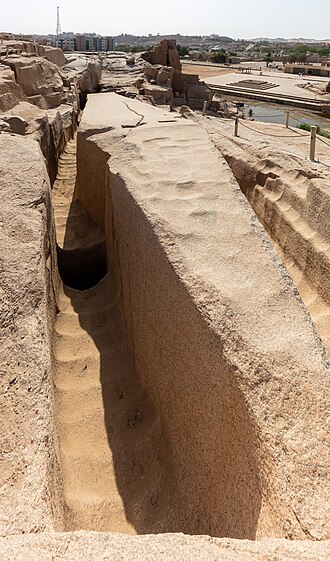
Unfinished Obelisk
See the granite quarries that made Aswan famous across ancient Egypt.
Explore →
Tombs of the Nobles
Climb above the Nile for tombs, history and sweeping views of Elephantine.
Explore →Elephantine Island Visitor Questions
Clear answers for planning a visit to one of Aswan’s most historic Nile islands.
What is Elephantine Island?
Elephantine is an archaeological island in the Nile at Aswan that played an important role as Egypt’s southern gateway and religious center.
Where is Elephantine Island located?
Elephantine Island is located in the Nile at Aswan in Upper Egypt, opposite the city’s riverfront.
Why was Elephantine important in ancient Egypt?
Its strategic location made it an important southern gateway for trade and movement between Egypt and Nubia.
Which gods were worshipped on Elephantine?
Khnum and Satet were major deities associated with Elephantine, while Anuket formed part of the wider Elephantine triad.
What can I see on Elephantine Island?
Highlights include archaeological remains of temples and houses, the Nilometer, the island museum and the Nile landscape surrounding the site.
Is there a Nilometer on Elephantine Island?
Yes. The island has a Nilometer that illustrates the historical importance of monitoring Nile water levels.
Is there a museum on Elephantine Island?
Yes. The museum displays objects discovered through archaeological work on Elephantine Island.
How long should I spend at Elephantine Island?
Allow around one and a half to two hours for a comfortable visit, depending on your boat arrangements and how deeply you explore the archaeological areas.
What are the current official opening hours?
The Ministry of Tourism and Antiquities currently lists Elephantine as open from 8:00 AM to 4:00 PM. Opening hours can change, so visitors should reconfirm before travel.
Is Elephantine Island a UNESCO World Heritage Site?
Egypt’s Ministry of Tourism and Antiquities states that Elephantine Island was inscribed on the UNESCO World Heritage List in 1979.