
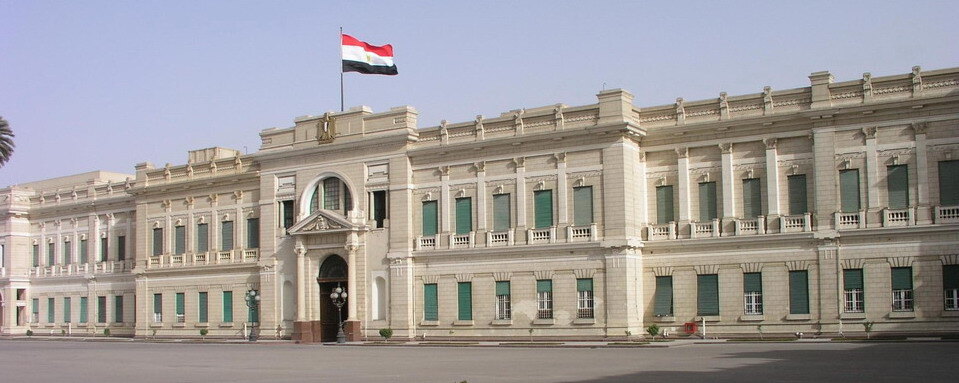
Why Abdeen Palace Cairo Matters
Abdeen Palace Cairo is one of the defining landmarks of Khedivial Cairo. Construction began in 1863 under Khedive Ismail, and the palace officially opened in 1874 as Egypt’s new seat of government.
The move to Abdeen was historically important: Khedive Ismail transferred the seat of rule from the medieval Cairo Citadel to the new palace, placing government at the heart of the modern city he was developing.
Today Abdeen remains associated with the Egyptian presidency, while its museum area preserves royal and historical collections. Visitor access is therefore focused on designated museum spaces rather than unrestricted access to the entire working palace.
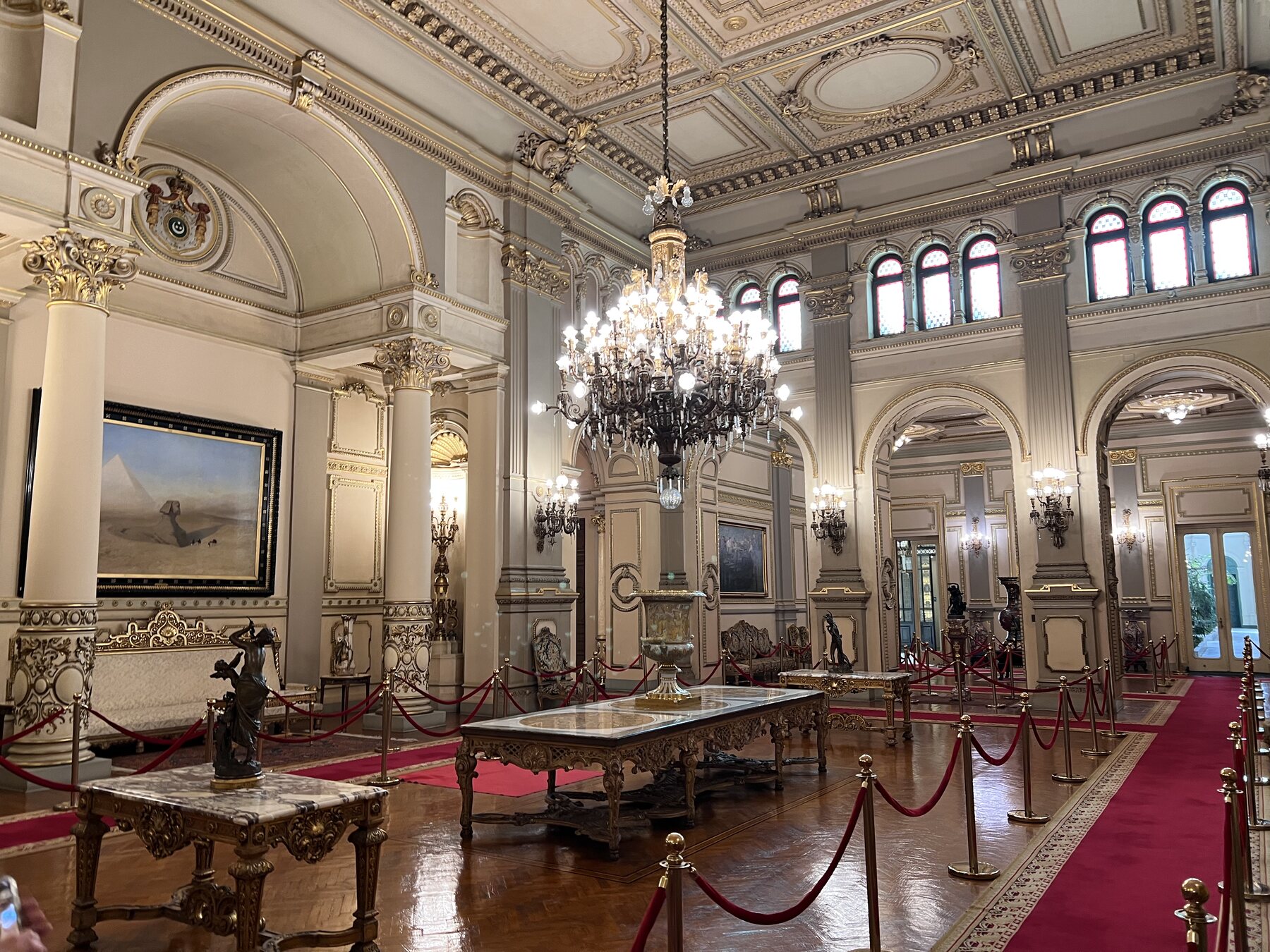
Ten Highlights at Abdeen Palace Cairo
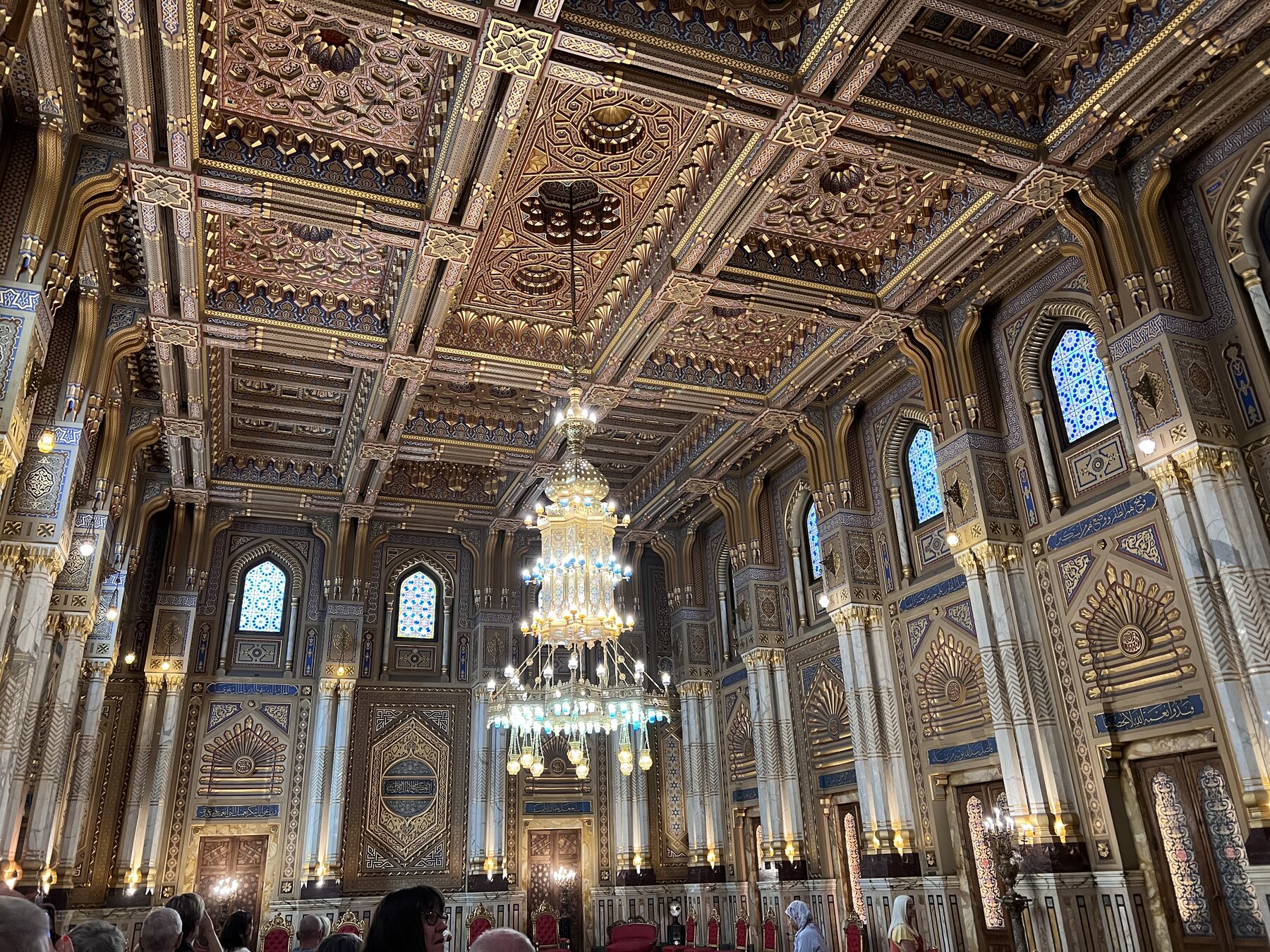
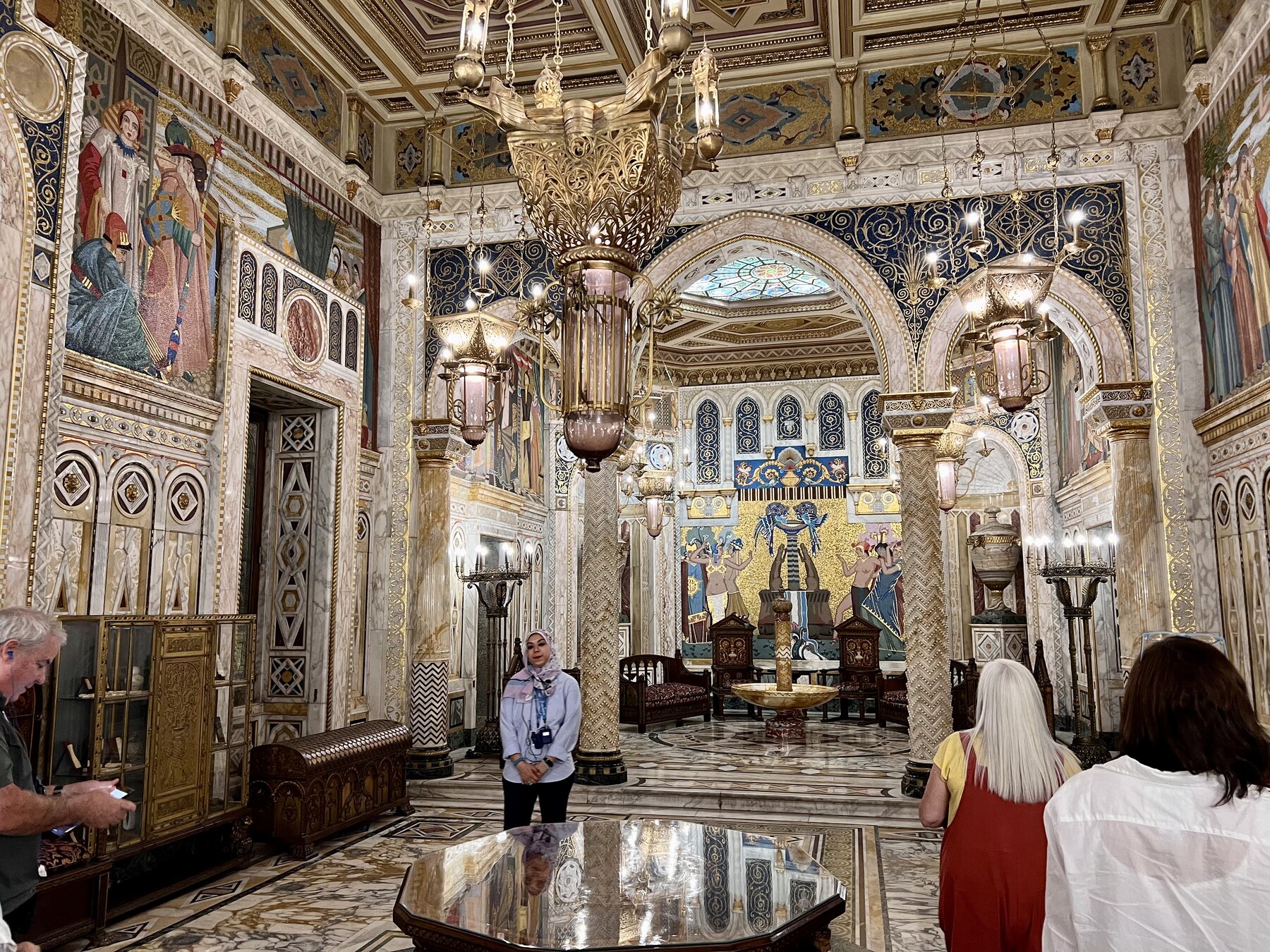
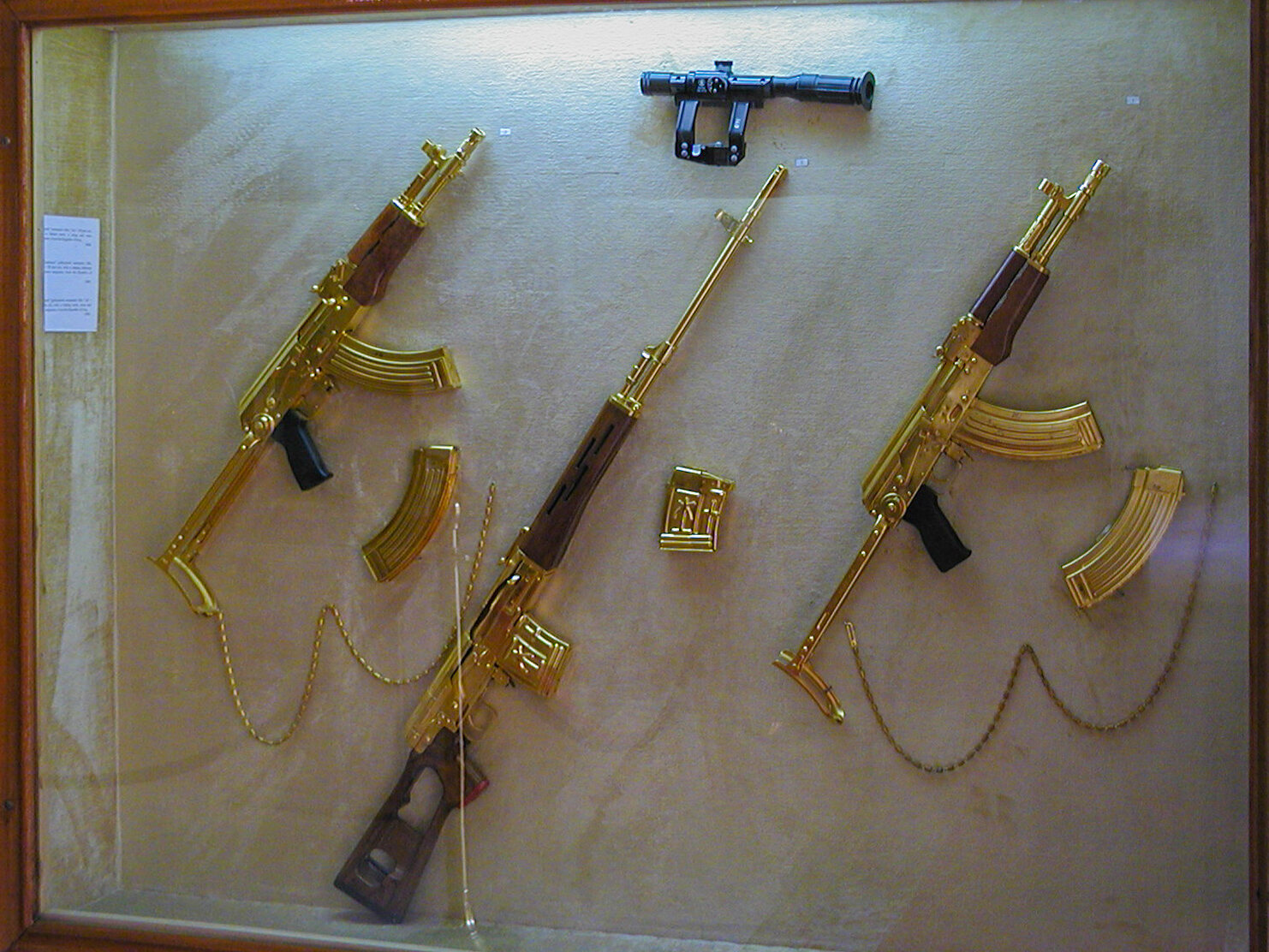
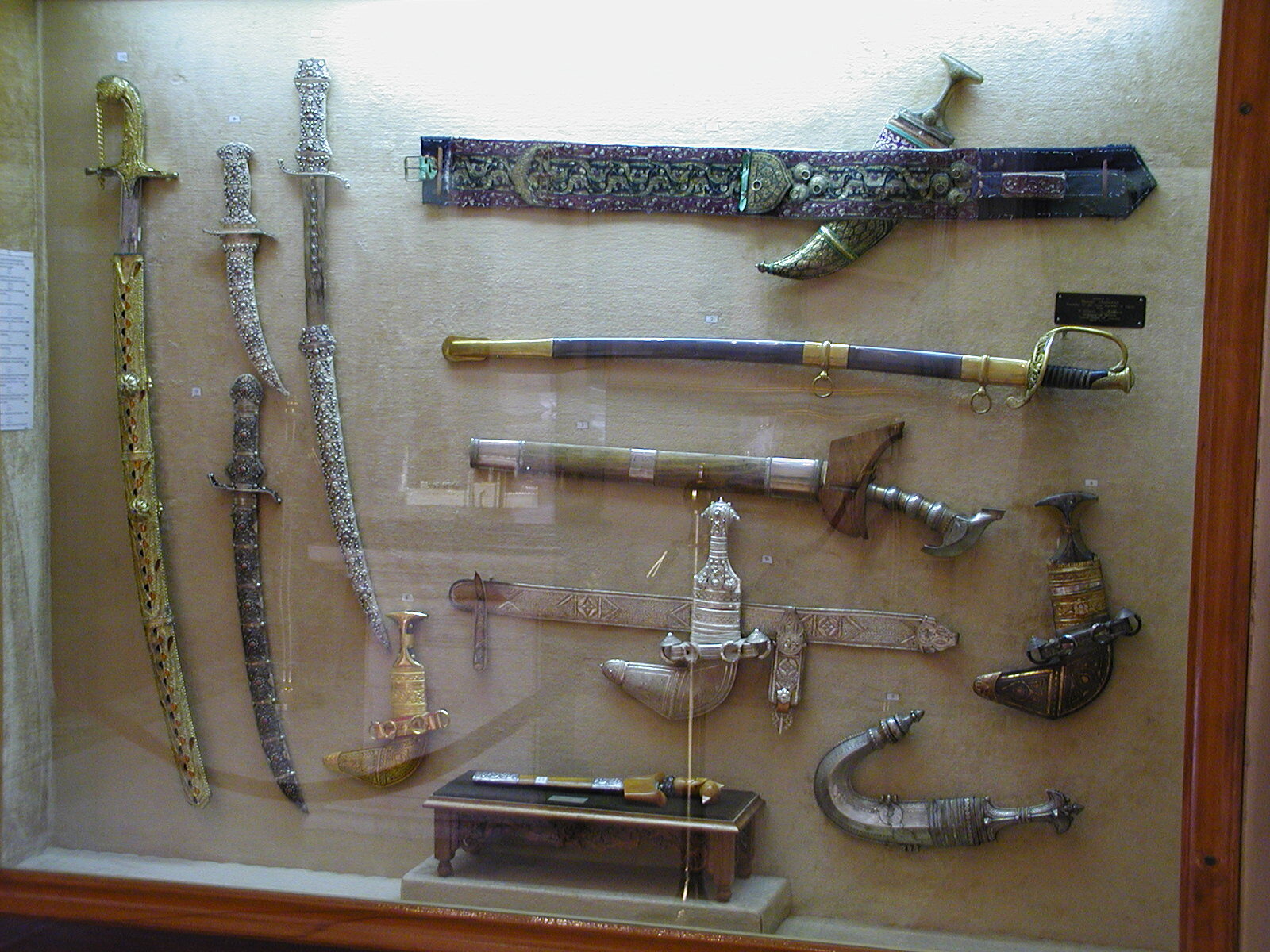
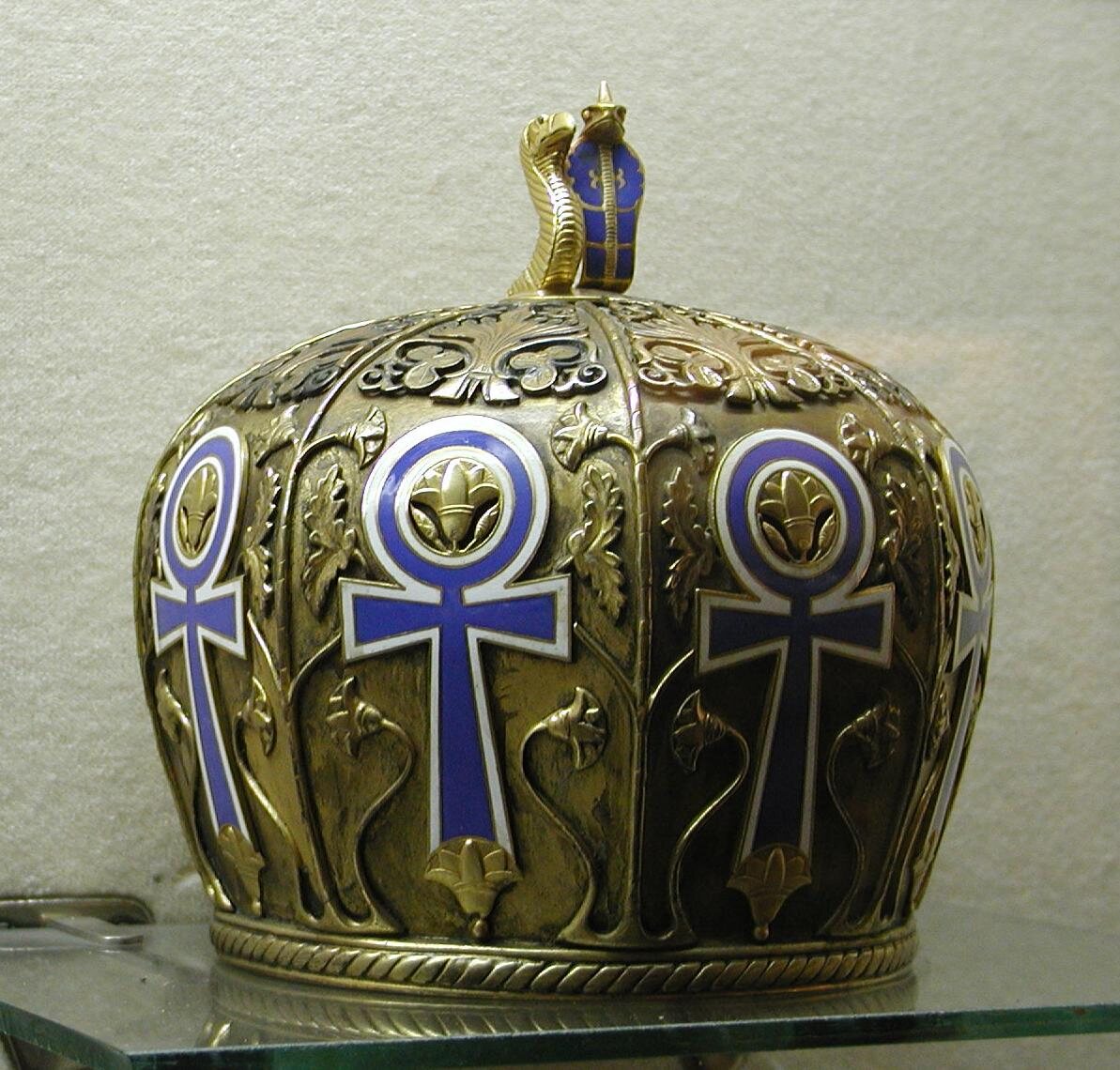
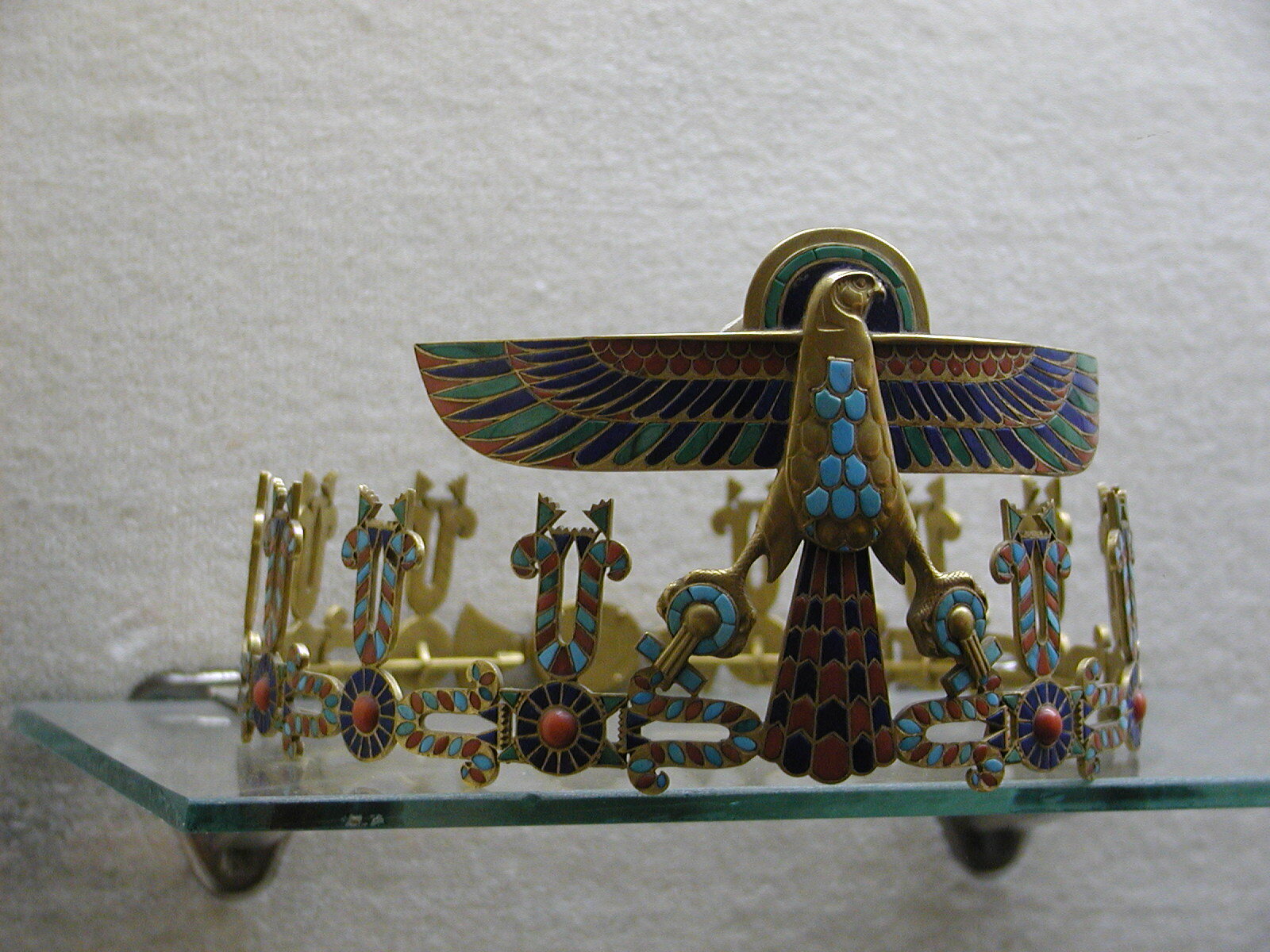
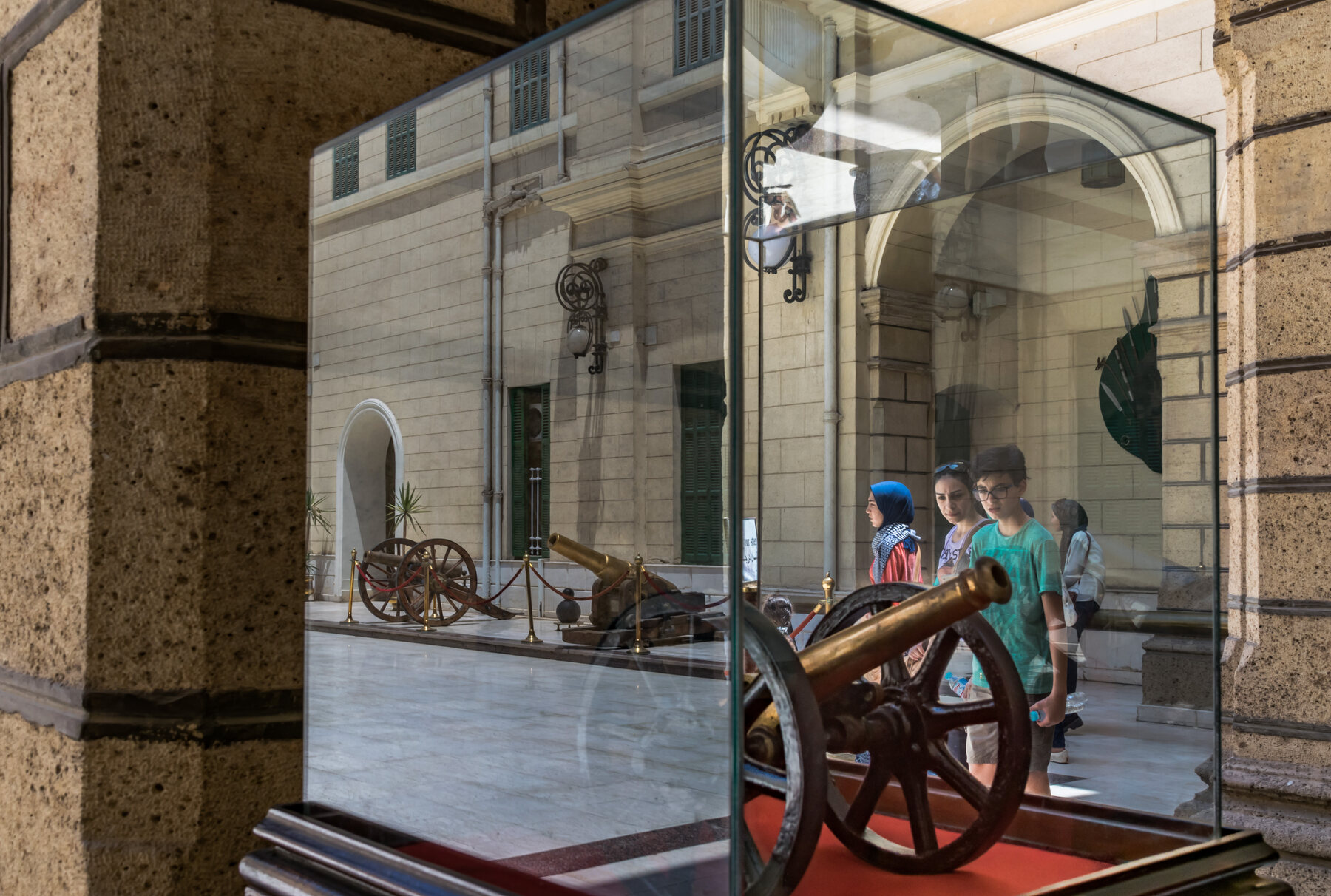
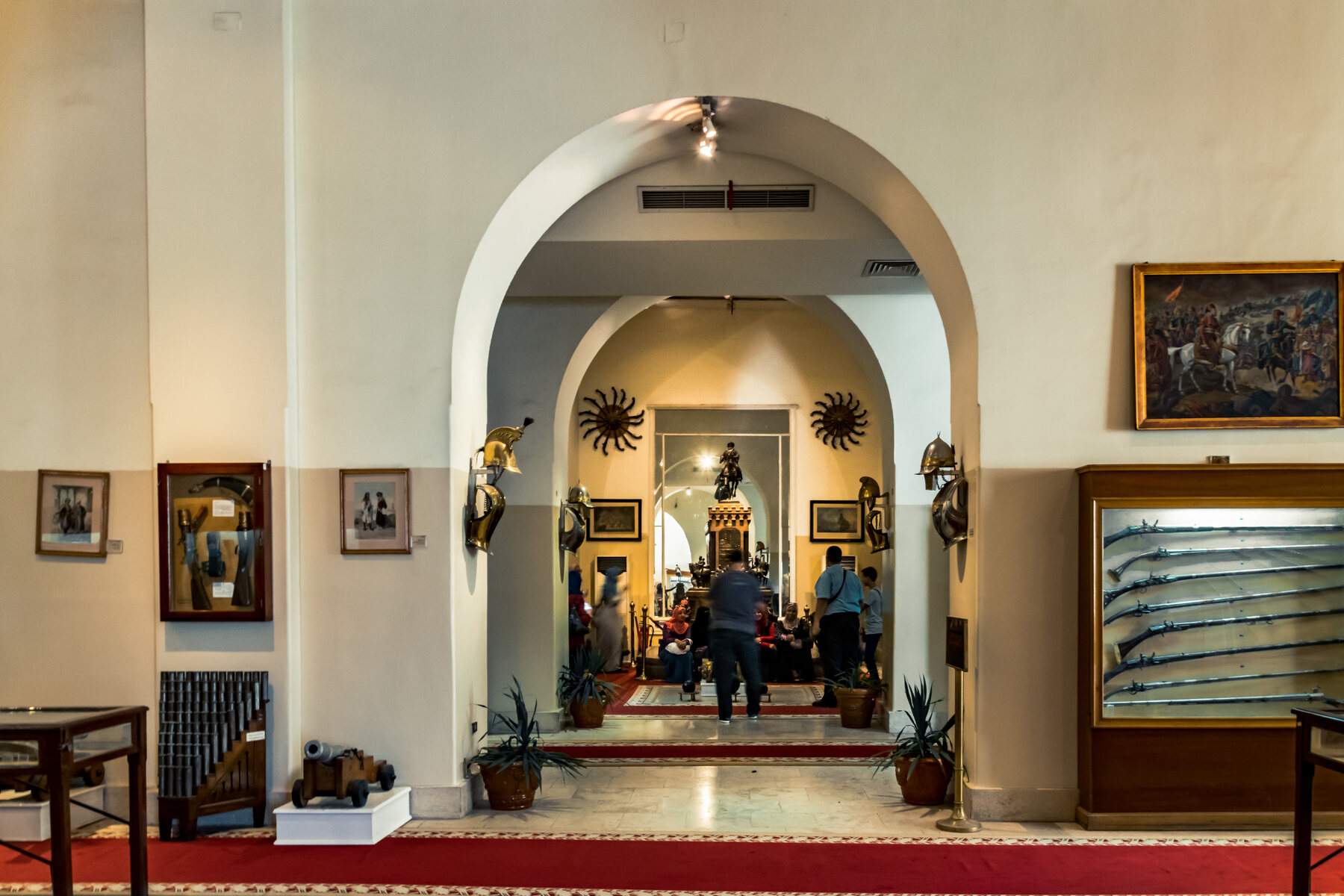
The visitor experience combines royal interiors, museum collections and the political story of a palace that became a symbol of modern Egyptian government.
Abdeen Palace Cairo: Everything to Know Before You Go
Abdeen is an active state palace with designated museum areas, so access conditions can differ from a conventional museum. Confirm current public access before making a special journey.
Museum Areas
Visitors normally experience designated palace museums rather than unrestricted access to the full presidential palace.
Check Before Visiting
Because Abdeen is an active state site, access can be affected by official functions or operational changes.
Downtown Cairo
The palace stands in Abdeen Square in central Cairo, within the historic Khedivial city.
1.5–2 Hours
Allow enough time for the museum collections and palace interiors open to visitors.
Royal + Modern History
A strong choice for travellers interested in the Muhammad Ali Dynasty, monarchy and modern Egyptian state history.
Follow On-Site Rules
Photography rules can vary by museum area and security requirements; follow the instructions given at entry.
Carry ID
As a state palace complex, security procedures may be stricter than at ordinary heritage attractions.
Verify Current Details
Public-access arrangements can change; confirm the current museum schedule and admission details before visiting.
Travel note: Public viewing conditions, plateau hours and private-access arrangements can change. Reconfirm current official visitor information before travel.
Step Into Egypt’s Royal Capital
Abdeen Palace connects architecture with political history: this was the place where Egypt’s rulers moved the center of power into the modern city, making it a key stop for understanding nineteenth- and twentieth-century Cairo.
Four Facts Behind Abdeen Palace
Abdeen’s story is inseparable from Khedive Ismail’s transformation of Cairo and the rise and fall of Egypt’s modern monarchy.
Construction Begins
Abdeen Palace was founded during the reign of Khedive Ismail as part of his ambitious modernization of Cairo.
Official Opening
The palace officially opened and became the new seat of government.
Seat of Rule
Khedive Ismail moved Egypt’s seat of government from the Cairo Citadel to Abdeen Palace.
End of Monarchy
The 1952 Revolution ended royal rule, and Egypt became a republic in 1953.
Add Abdeen Palace Cairo to Your Egypt Journey
Three different programmes from your collection where Abdeen Palace can be requested as an additional Cairo visit, subject to current public access.
What to See Near Abdeen Palace Cairo
Abdeen’s Downtown location makes it easy to connect royal Cairo with major museums and the monuments of Islamic Cairo.
Egyptian Museum
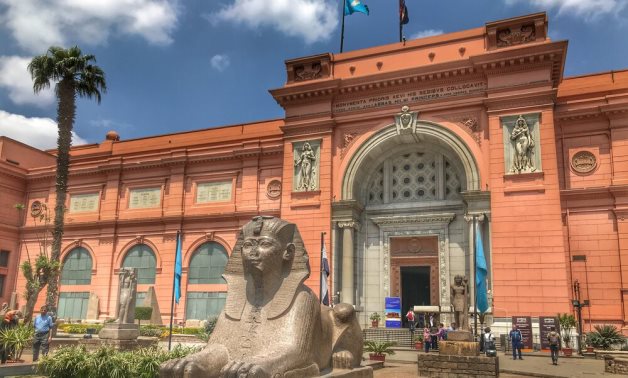
Continue through Egypt’s ancient collections in the historic museum at Tahrir Square.
Explore →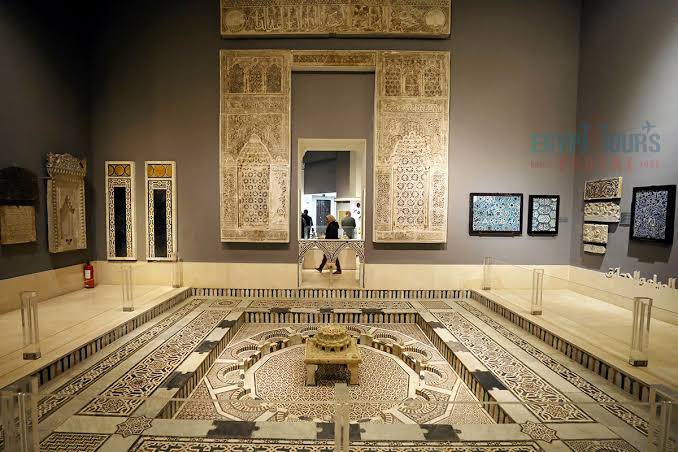
Museum of Islamic Art
Explore one of the world’s great collections of Islamic art, manuscripts, metalwork, ceramics and woodwork.
Explore →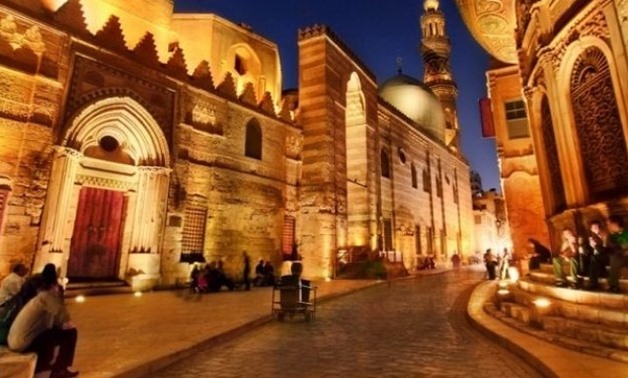
Al-Muizz Street
Walk through one of Historic Cairo’s richest concentrations of medieval Islamic architecture.
Explore →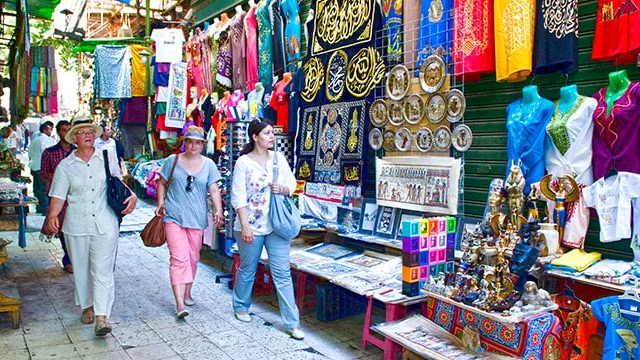
Khan El Khalili
Pair royal Cairo with the lanes, shops and atmosphere of Cairo’s historic bazaar district.
Explore →Abdeen Palace Cairo Visitor Questions
Essential context for understanding the palace, its history and the public museum experience.
Who built Abdeen Palace Cairo?
Abdeen Palace was commissioned under Khedive Ismail, with construction beginning in 1863 as part of his transformation of modern Cairo.
When did Abdeen Palace open?
The palace officially opened in 1874.
Why is Abdeen Palace historically important?
Khedive Ismail moved Egypt’s seat of government from the Cairo Citadel to Abdeen Palace, making it a central symbol of the new Khedivial capital.
Where is Abdeen Palace?
It stands in Abdeen Square in Downtown Cairo.
Can tourists enter the whole palace?
No. Abdeen is an active state palace, and visitor access is focused on designated museum areas rather than the entire complex.
What can visitors see at Abdeen Palace?
The public museum experience includes historic palace interiors and collections connected with Egypt’s royal, military and political history.
How long should I allow?
Around one and a half to two hours is a reasonable visit for the accessible museum areas.
Should I check before visiting?
Yes. Because it remains a state palace, public access can be affected by official functions or operational changes.
What period does Abdeen Palace represent?
Its story spans the Khedivial and royal periods of the Muhammad Ali Dynasty and continues into republican Egypt.
What can I combine with Abdeen Palace?
The Egyptian Museum, Museum of Islamic Art, Al-Muizz Street and Khan El Khalili are convenient additions in central Cairo.