
Abu al-Abbas al-Mursi Mosque: Faith, Architecture & Alexandrian Identity
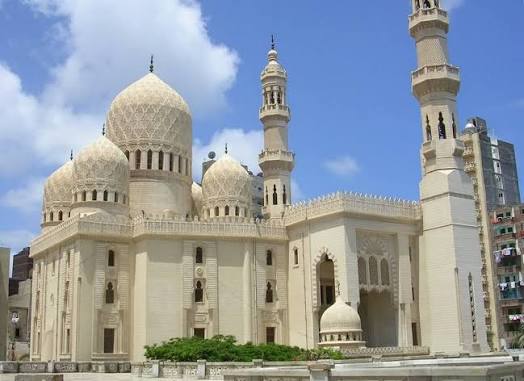
The Mosque of Abu al-Abbas al-Mursi is one of Alexandria’s most recognisable Islamic landmarks. It is dedicated to the celebrated Andalusian Sufi saint Abu al-Abbas al-Mursi, who settled in Alexandria and died here in 1286.
A mosque was first established over his tomb in 1307 and the complex was rebuilt and enlarged several times. The present monument reflects later architectural campaigns while preserving the shrine’s deep spiritual association with the saint.
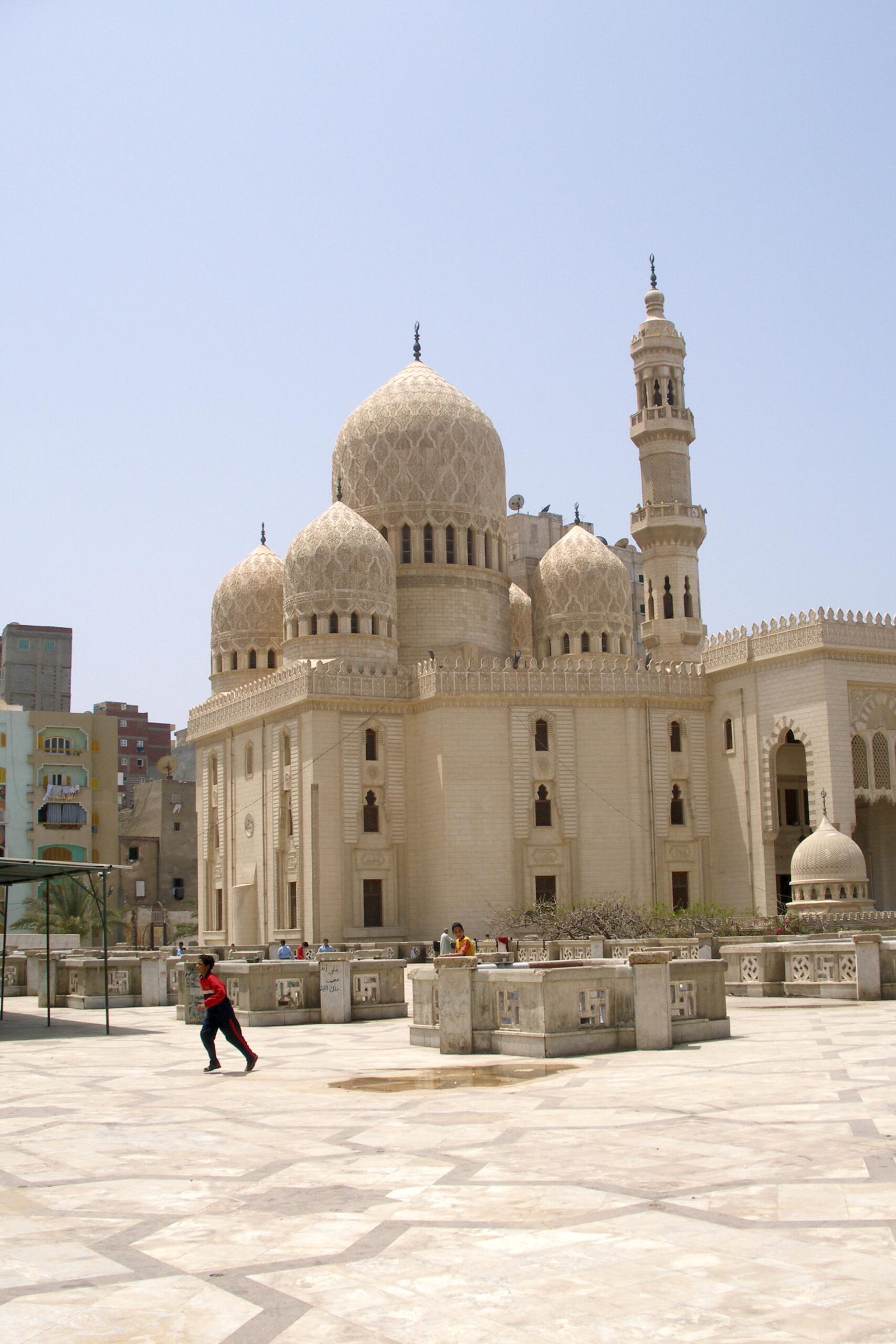
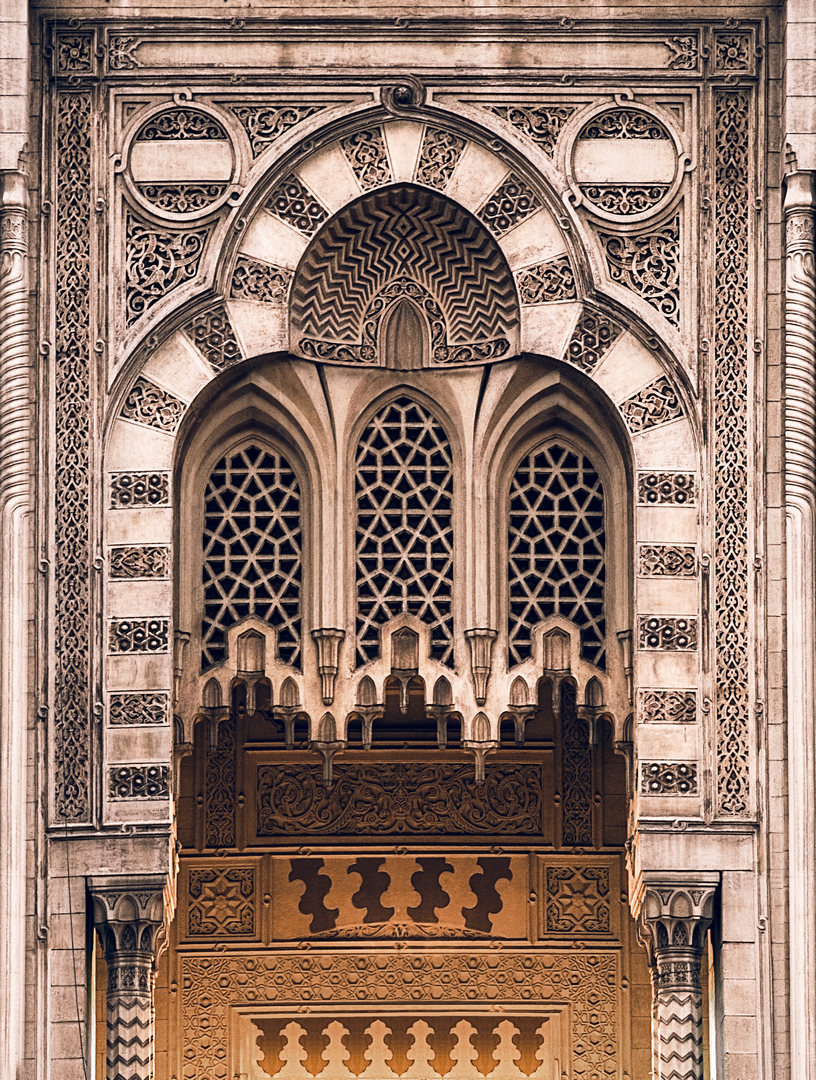
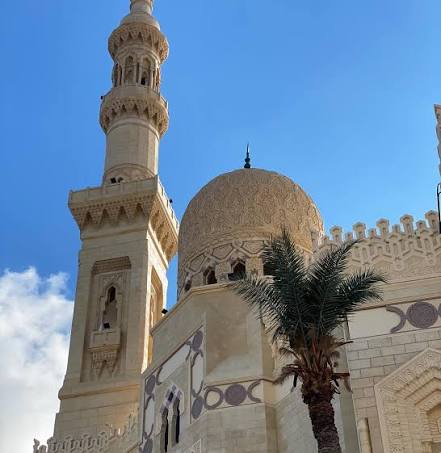
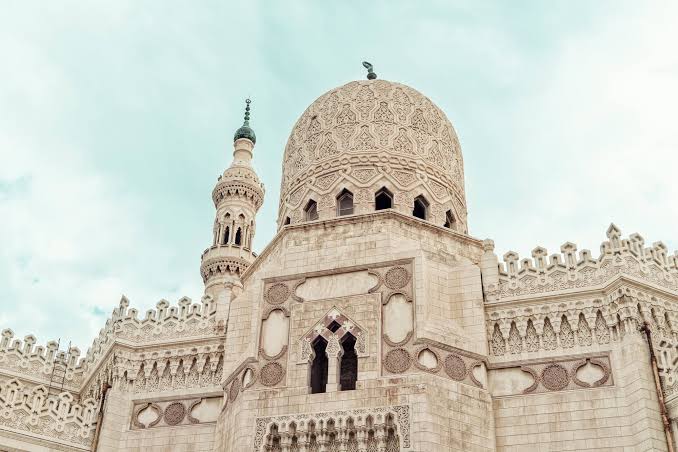
Its soaring minaret, distinctive domes, carved decoration and luminous interiors make the mosque both a place of worship and a major architectural landmark in Alexandria’s Anfoushi district.
Discover Five Highlights of Abu al-Abbas al-Mursi Mosque
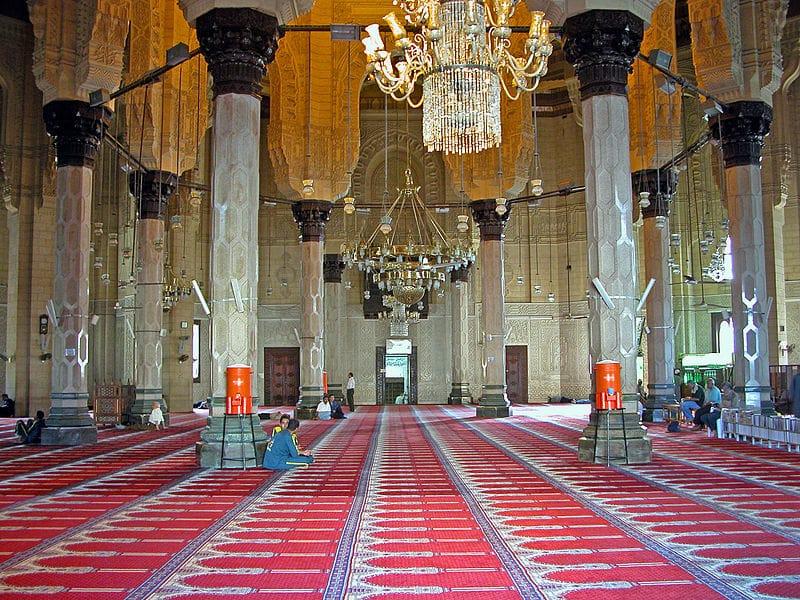
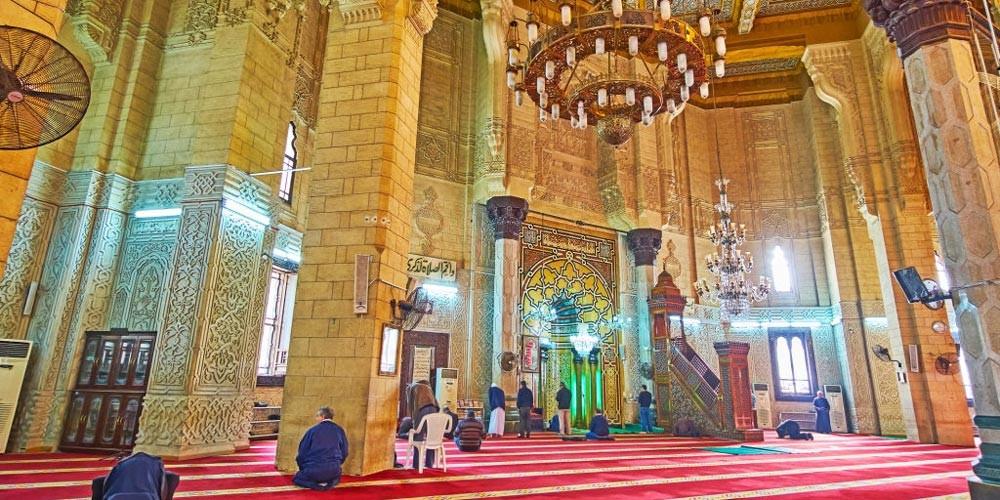
Explore the prayer spaces, minaret and architectural details that define this landmark of Alexandria.
Everything You Need to Know Before Visiting Abu al-Abbas al-Mursi Mosque
This is an active place of worship as well as a historic landmark, so respectful dress, prayer times and visitor etiquette matter.
Active Place of Worship
Visitor access should respect prayer times and any areas reserved for worshippers. Follow current staff guidance when entering.
Outside Prayer Peaks
Visit outside the busiest congregational prayer periods when possible, especially if your priority is architecture and photography.
Allow 45–60 Minutes
Around 45 to 60 minutes is usually enough for a respectful architectural visit, with more time if you are exploring the surrounding mosque quarter.
Confirm Current Access
Religious-site access arrangements can change. Confirm current visitor rules locally and never assume every interior area is open to sightseeing.
Dress Modestly
Wear clothing that covers shoulders and knees. Women may be asked to cover their hair inside; carry a light scarf to make the visit easy.
Respect Worshippers
Keep voices low, avoid walking in front of people praying and follow local guidance about shoes and access to prayer areas.
Photograph Respectfully
The exterior is highly photogenic. Inside, avoid photographing worshippers without permission and follow any current photography restrictions.
Combine the Mosque Quarter
Combine Abu al-Abbas al-Mursi with Qaitbay Citadel, the Corniche and the historic Anfoushi/Bahary district for a coherent Alexandria route.
Travel note: This is a functioning mosque, not only a monument. Religious practice always takes priority, so visitor access may be adjusted during prayers, Fridays or religious occasions.
Explore Abu al-Abbas al-Mursi Mosque with a Private Guide
Turn the waterfront into a story of ancient harbours, modern Alexandria and Mediterranean city life while connecting the Corniche with the landmarks that matter most to you.
Remarkable Facts About Abu al-Abbas al-Mursi Mosque
The mosque connects medieval Sufi history with the monumental architecture visitors see in Alexandria today.
First Mosque
A mosque was established over the saint’s tomb in the early 14th century, beginning the site’s long architectural history.
Saint’s Death
Abu al-Abbas al-Mursi died in Alexandria and his shrine became an important focus of Sufi devotion.
Minaret
The mosque’s tall minaret is one of its most visible architectural features and a landmark in the Anfoushi skyline.
Mosque Area
Historical descriptions of the present complex give an area of roughly three thousand square metres.
Experience Islamic Alexandria Your Way
Choose an Alexandria programme and ask us to include Abu al-Abbas al-Mursi Mosque when the route and timing allow.
Nearby Attractions Around Abu al-Abbas al-Mursi Mosque
Continue through Alexandria with four nearby landmarks that connect naturally with the historic mosque quarter.
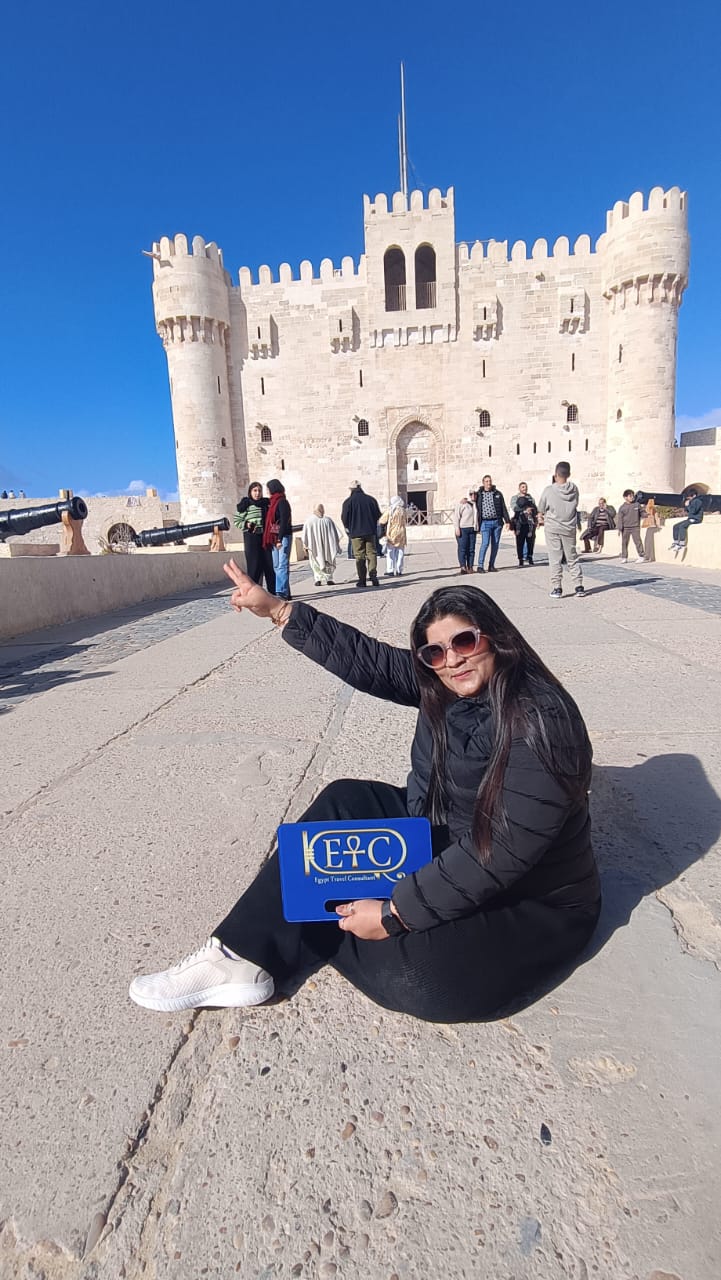
Qaitbay Citadel
Continue to Alexandria’s famous 15th-century fortress overlooking the Mediterranean.
Explore →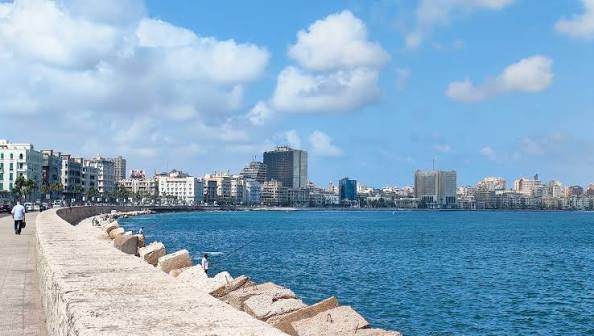
Alexandria Corniche
Walk or drive along the historic waterfront and experience Alexandria’s relationship with the Mediterranean.
Explore →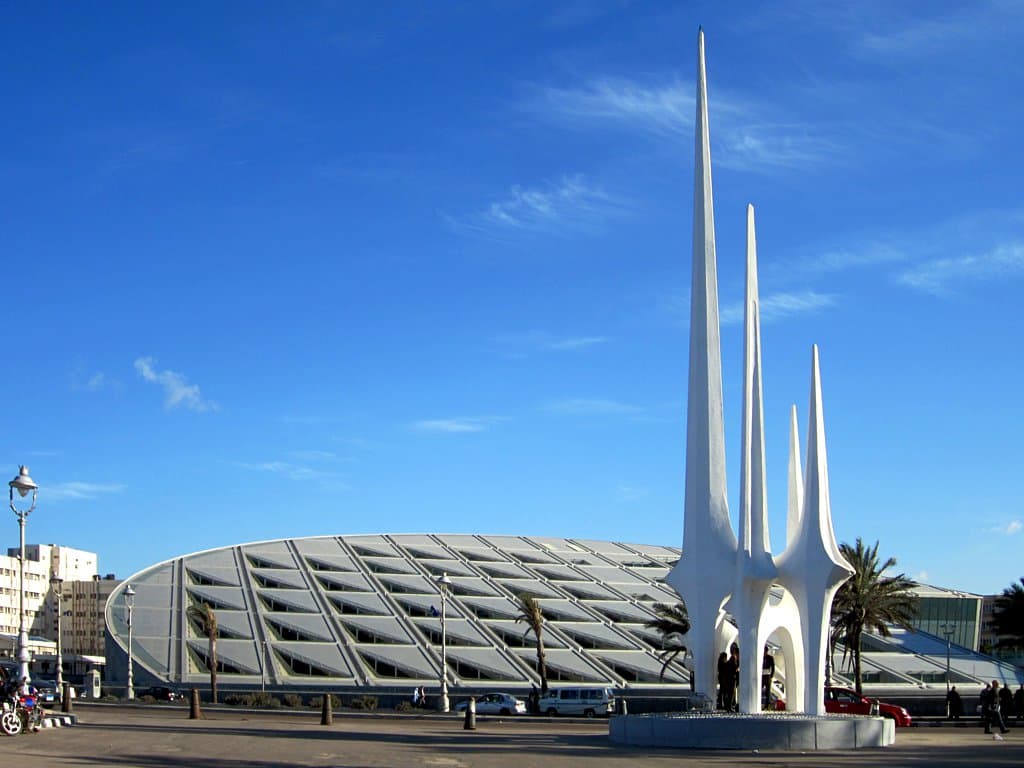
Bibliotheca Alexandrina
Continue east to Alexandria’s modern cultural landmark facing the Mediterranean.
Explore →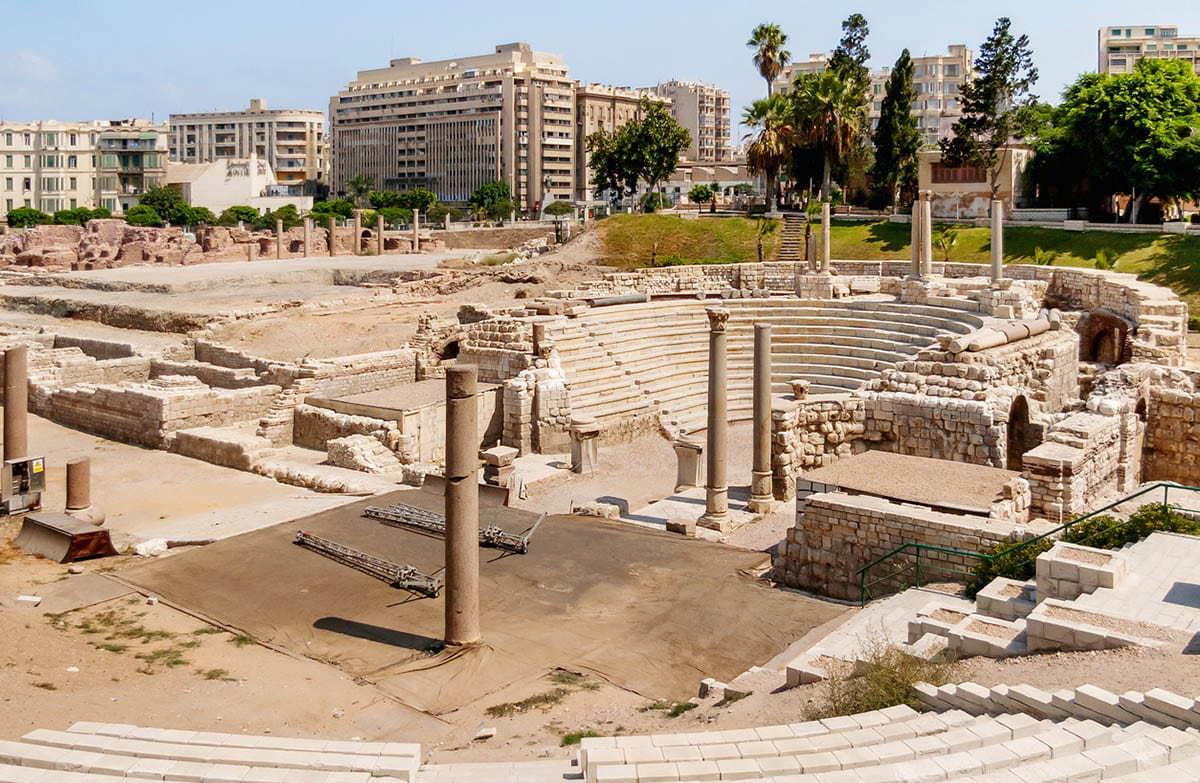
Kom el-Dikka
Explore the Roman theatre, lecture halls, baths and urban remains of ancient Alexandria.
Explore →Abu al-Abbas al-Mursi Mosque Visitor Questions
Practical answers for visiting one of Alexandria’s most important Islamic landmarks.
Who was Abu al-Abbas al-Mursi?
He was a 13th-century Andalusian Sufi saint who settled in Alexandria. He died in the city in 1286, and his tomb became the spiritual focus of the mosque that bears his name.
When was the mosque founded?
A mosque was first established over the saint’s tomb in 1307. The complex was rebuilt and enlarged several times over the following centuries.
Where is the mosque located?
It stands in Alexandria’s Anfoushi/Bahary area, close to the old harbour, the Corniche and Qaitbay Citadel.
Can non-Muslim visitors enter?
Visitor access can depend on current local arrangements and prayer activity. Treat the mosque first as an active place of worship and follow staff guidance on arrival.
What should I wear?
Dress modestly with shoulders and knees covered. Women should carry a scarf in case head covering is requested inside.
How long should I allow?
Around 45 to 60 minutes is usually enough for the architecture and main visitor areas, with additional time for the surrounding mosque quarter.
Can I take photographs?
Exterior photography is excellent. Inside, follow current rules and avoid photographing worshippers without permission.
What are the architectural highlights?
Look for the domes, tall minaret, monumental entrances, prayer hall, mihrab, minbar, calligraphy and decorative stone and woodwork.
Is the mosque still active?
Yes. It is a functioning mosque and shrine, so prayer and religious activity take priority over sightseeing.
What can I combine with the mosque?
Qaitbay Citadel, Alexandria Corniche, Bibliotheca Alexandrina and the historic Bahary district combine naturally with the mosque.