

Why the Coptic Museum Cairo Is Essential
The Coptic Museum Cairo in Old Cairo houses the largest collection of Coptic artifacts in the world. It was established through the efforts of Marcus Simaika Pasha and officially inaugurated in 1910 to preserve Egypt’s Christian artistic and architectural heritage.
Its galleries trace Coptic history from the earliest centuries of Christianity in Egypt through later periods, showing how Coptic art absorbed Pharaonic, Greek, Roman, Byzantine and Ottoman influences while developing a distinct identity of its own.
The collection includes decorated manuscripts, icons, carved woodwork, frescoes, textiles, stone sculpture, papyri and objects recovered from ancient churches and monasteries — making the museum an essential complement to the monuments of Old Cairo.

Ten Highlights at the Coptic Museum
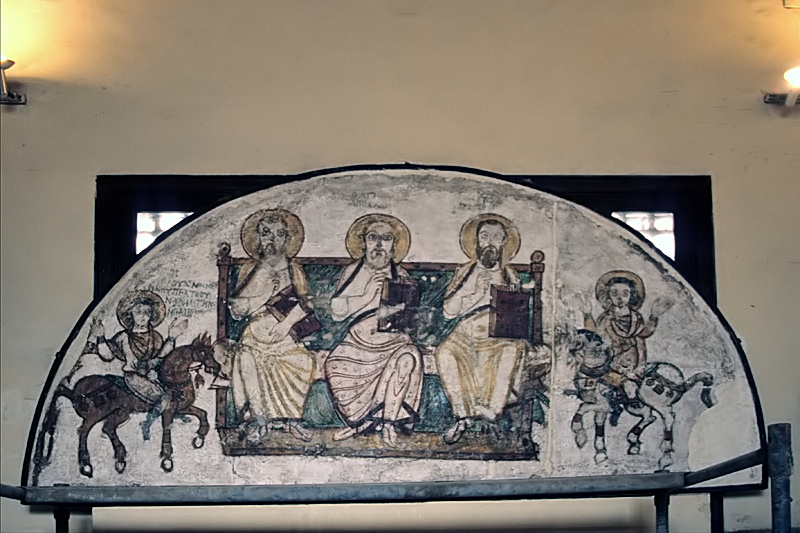
These ten collection highlights show the extraordinary range of Coptic Egypt — from monastery frescoes and codices to sculpture, music, papyri and carved architectural fragments.


Coptic Museum Cairo: Everything to Know Before You Go
The museum is inside Old Cairo and works especially well as the indoor anchor of a walking day that also includes the nearby churches and historic religious sites.
09:00–17:00 Daily
The Ministry currently lists the museum as open every day from 9:00 AM to 5:00 PM.
EGP 280 Adult
Current Ministry listing: EGP 280 foreign adult and EGP 140 foreign student.
16:00
The museum ticket window currently closes at 4:00 PM.
1.5–2.5 Hours
Allow at least 90 minutes for a focused visit, or longer if manuscripts, textiles and Christian art are a major interest.
Mobile Photos Free
The Ministry currently allows free mobile-phone photography without flash. Tripods and monopods require permission.
Old Cairo
The museum is in the Coptic Cairo district, close to the Hanging Church, Abu Serga and the remains of Babylon Fortress.
Ramp + Elevator
The Ministry lists a ramped entrance and elevator among the museum’s visitor services.
Old Cairo Walk
Pair the museum with the Hanging Church, Abu Serga, Ben Ezra Synagogue and the wider Old Cairo heritage district.
Travel note: Public viewing conditions, plateau hours and private-access arrangements can change. Reconfirm current official visitor information before travel.
Connect the Museum Collection with the Churches of Old Cairo
Seeing the museum first makes the surrounding churches easier to read: carved wood, icons, manuscripts and architectural fragments in the galleries reappear in the living heritage of Coptic Cairo.
Four Facts Behind the Coptic Museum
The museum was created to preserve Egypt’s Christian heritage and has become the world’s most important collection devoted to Coptic art.
Inauguration
The Egyptian Ministry of Tourism & Antiquities states that the Coptic Museum was inaugurated in 1910.
Founder
Marcus Simaika Pasha collected and preserved Coptic antiquities and architectural elements to establish the museum.
Coptic Collection
The Ministry describes the museum as holding the largest collection of Coptic artifacts in the world.
Christian Origins
The museum presents Coptic history within the broader story of Christianity in Egypt, traditionally linked to Saint Mark in Alexandria.
Add the Coptic Museum Cairo to Your Egypt Journey
Three programmes from your live collection selected for Christian heritage, museums and deeper Cairo context. The museum is presented as an optional addition unless the published itinerary explicitly includes it.


What to See Near the Coptic Museum Cairo
The museum sits inside Old Cairo, so several of Cairo’s most important religious and archaeological landmarks are within the same historic district.
.jpg)
Old Cairo
Continue through the wider Old Cairo heritage district of churches, Roman remains and historic religious landmarks.
Explore →
NMEC
Continue to Fustat for a broad panorama of Egyptian civilization and the Royal Mummies Hall.
Explore →
Saladin Citadel
Move from Coptic Cairo into the medieval Islamic city with the Citadel and its monumental mosques.
Explore →
Khan El Khalili
Finish in Historic Cairo with markets, crafts, cafés and the atmosphere of the medieval city.
Explore →Coptic Museum Cairo Visitor Questions
Practical answers for visiting the world’s largest collection of Coptic artifacts in Old Cairo.
What is the Coptic Museum Cairo famous for?
The Egyptian Ministry of Tourism & Antiquities describes it as the museum with the largest collection of Coptic artifacts in the world.
When did the Coptic Museum open?
The Ministry states that the museum was inaugurated in 1910.
Who founded the Coptic Museum?
Marcus Simaika Pasha established the museum through his efforts to collect and preserve Coptic antiquities and architectural elements from older churches.
What can I see inside the Coptic Museum?
The collection includes manuscripts, icons, carved woodwork, frescoes, textiles, stone sculpture, papyri and other objects connected with Coptic history and Christian Egypt.
Are the Nag Hammadi codices in the Coptic Museum?
The museum’s collection includes Nag Hammadi manuscripts, among the most important surviving texts connected with early Christian and Gnostic traditions in Egypt.
What are the current opening hours?
The Ministry currently lists the museum as open daily from 9:00 AM to 5:00 PM, with the ticket window closing at 4:00 PM.
How much is the foreign visitor ticket?
At the time of checking, the Ministry lists EGP 280 for foreign adults and EGP 140 for foreign students.
Can I take photos inside the Coptic Museum?
The Ministry currently allows free mobile-phone photography, but flash is prohibited and tripods or monopods require permission.
How long should I spend at the Coptic Museum?
Around one and a half to two and a half hours works well for most visitors, especially if you want time for manuscripts, icons and architectural pieces.
What should I combine with the Coptic Museum?
The surrounding Old Cairo district is the obvious combination, especially the Hanging Church, Abu Serga, Babylon Fortress and nearby religious landmarks.