

Mummification Museum
Explore the ancient Egyptian art of preserving the dead through human and animal mummies, embalming tools, sacred objects and powerful beliefs about the afterlife.
Inside the Ancient Egyptian Art of Mummification
The Mummification Museum stands on Luxor’s Nile Corniche, close to Luxor Temple. Opened in 1997, this specialized museum explains how ancient Egyptians preserved human and animal bodies and why mummification was essential to their beliefs about rebirth and eternal life.
The compact exhibition brings the process to life through embalming tools, natron and other materials, canopic jars, funerary amulets, coffins, shabti figures and mummified animals. Its most important human exhibit is the mummy of Masaharta, a High Priest of Amun of the Twenty-first Dynasty.
Clear displays connect the physical stages of embalming with the prayers, deities and protective objects that guided the deceased toward the afterlife. Its manageable size makes it an excellent introduction before visiting the royal tombs and mortuary temples of Luxor’s West Bank.
8 Highlights of the Mummification Museum
Explore the tools, materials, mummies and sacred objects that reveal how ancient Egyptians prepared for eternity.
Mummification Tools
Specialized instruments demonstrate how embalmers treated and prepared the body. The display explains each tool within a careful ritual designed to preserve and protect the deceased for eternal life.
Understand the Technique →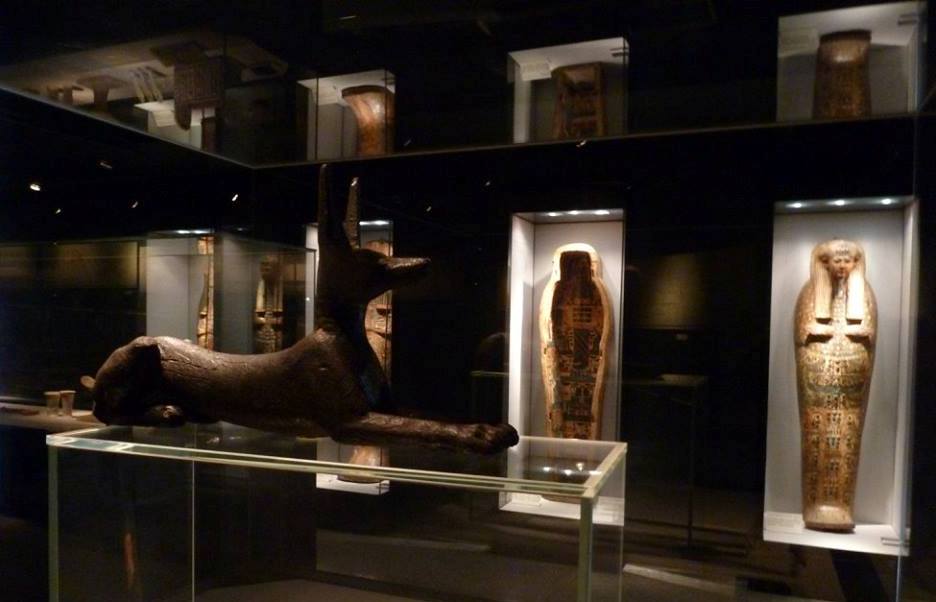
Embalming Materials
Natron dried the body, while oils, resins, linen and aromatic substances helped cleanse, preserve and wrap it. The exhibits show that mummification combined practical knowledge with sacred ritual.
Explore the Materials →
Mummy of Masaharta
The mummy of Masaharta, a High Priest of Amun and son of Pinedjem I, is the museum’s principal human mummy and a compelling link to the priestly rulers of ancient Thebes.
Meet Masaharta →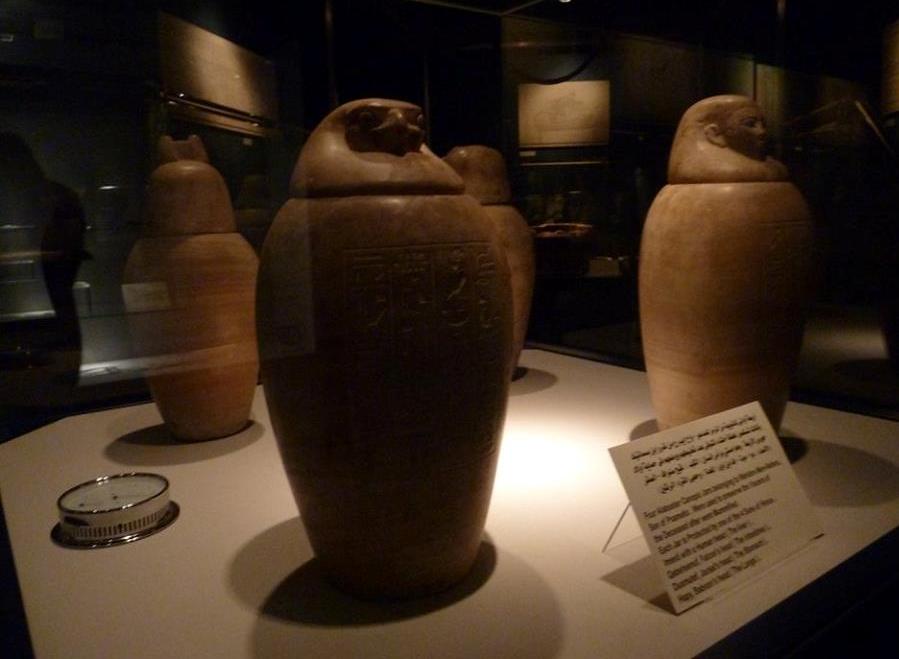
Canopic Jars
Canopic vessels held selected internal organs removed during embalming. Their lids and protective deities connect the physical preservation of the body with the religious safety of the deceased.
Meet the Guardians →
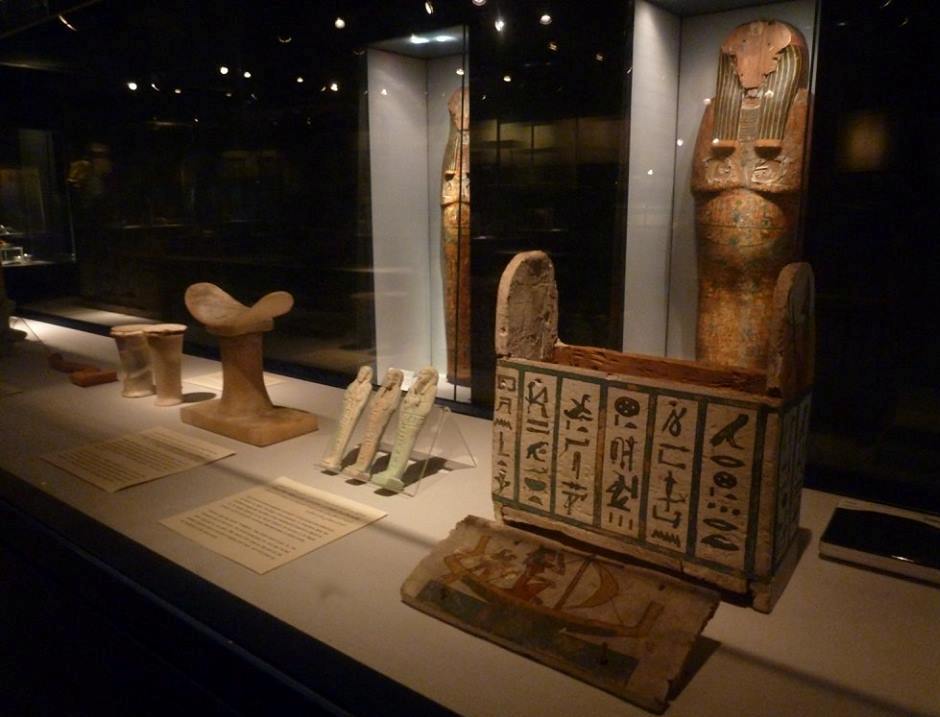
Coffin of Padiamun
The decorated coffin of Padiamun demonstrates how texts, divine images and protective symbols surrounded the deceased, transforming the coffin into both a container and a magical safeguard.
Read the Symbols →
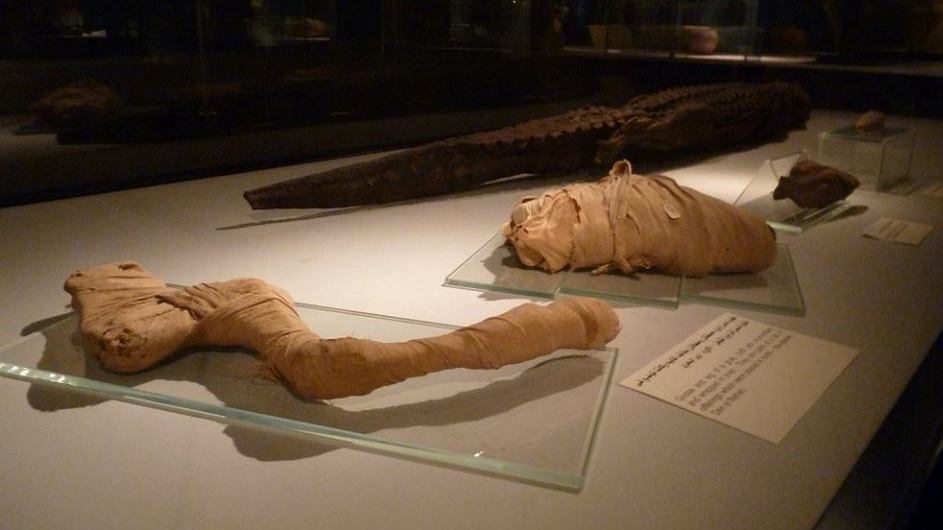
Mummified Animals
Mummified cats, fish and crocodiles show that preservation was not limited to people. Animals could embody sacred associations, serve as votive offerings or accompany religious practice.
Discover Animal Mummies →
Ancient Luxor Through Time
Amulets placed among mummy wrappings protected vulnerable parts of the body and invoked divine powers. Their shapes and materials carried carefully chosen meanings for rebirth.
Explore Sacred Protection →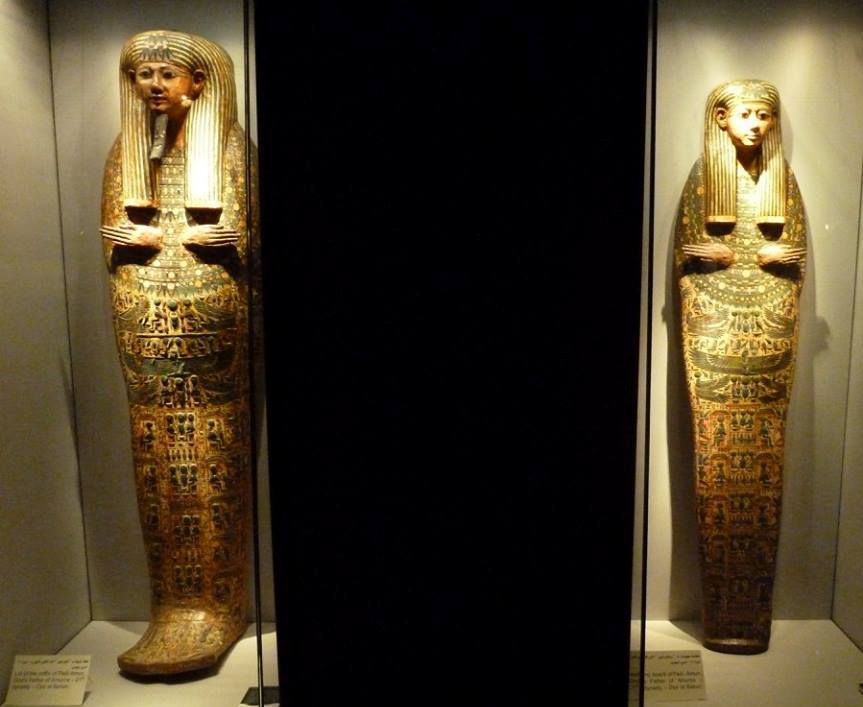
Funeral Journey
Illustrated panels inspired by the papyri of Ani and Hunefer trace the funeral journey from death and preparation to burial, judgment and hoped-for renewal in the next world.
Follow the Funeral Journey →Plan Your Mummification Museum Visit
Practical guidance for visiting Luxor’s compact museum devoted to embalming and the ancient Egyptian afterlife.
Tickets & Entry
Ticket prices and entry arrangements can change, so confirm current visitor information before your museum visit.
Check the Daily Schedule
Opening schedules may include separate daytime and evening periods, so confirm the current timetable before arrival.
Allow 45–60 Minutes
Around 45–60 minutes is usually enough to examine the principal mummies, tools and funerary displays without rushing.
Nile Corniche
The museum is set beneath the Nile Corniche on Luxor’s East Bank, a short walk north of Luxor Temple.
East Bank Highlights
Combine the museum with Luxor Temple and the Avenue of Sphinxes, or add it after an East Bank visit to Karnak.
Check Current Rules
Photography regulations can change and some objects may have restrictions. Follow the current museum instructions.
Curious First-Time Visitors
The museum is especially rewarding for travelers curious about mummies, funerary beliefs and the practical science behind ancient embalming.
Add an Egyptologist
An Egyptologist can connect each object with tomb rituals, the Book of the Dead and the monuments of Luxor’s West Bank.
Explore the Mummification Museum with a Private Egyptologist
Understand how embalmers preserved the body and how rituals, amulets and divine protection prepared the deceased for eternal life.
4 Facts About the Mummification Museum
A compact collection reveals the practical skill and spiritual meaning behind ancient Egyptian mummification.
Specialized Museum Opens
The Mummification Museum opened in 1997 as a specialized museum devoted to ancient Egyptian embalming and funerary beliefs.
The Mummification Period
Ancient Egyptian mummification traditionally unfolded over about seventy days, including drying, treatment, wrapping and ritual preparation.
Display Themes
The museum’s display cases address major themes including gods, embalming materials, tools, canopic vessels, amulets, coffins and mummies.
More Than Human Mummies
The collection shows that ancient Egyptians mummified people as well as cats, fish and crocodiles for different religious purposes.
Want to Add the Mummification Museum to Your Egypt Tour?
We can include the Mummification Museum in a private Luxor itinerary and combine it with Luxor Temple, Karnak Temple, the Avenue of Sphinxes or West Bank tombs.
Make the Mummification Museum Part of Your Luxor Experience
Tell us what interests you and we’ll create a private itinerary with an Egyptologist, comfortable transportation and a route tailored to your pace.
Continue Exploring Luxor
Combine the Mummification Museum with these nearby archaeological and cultural highlights in Luxor.
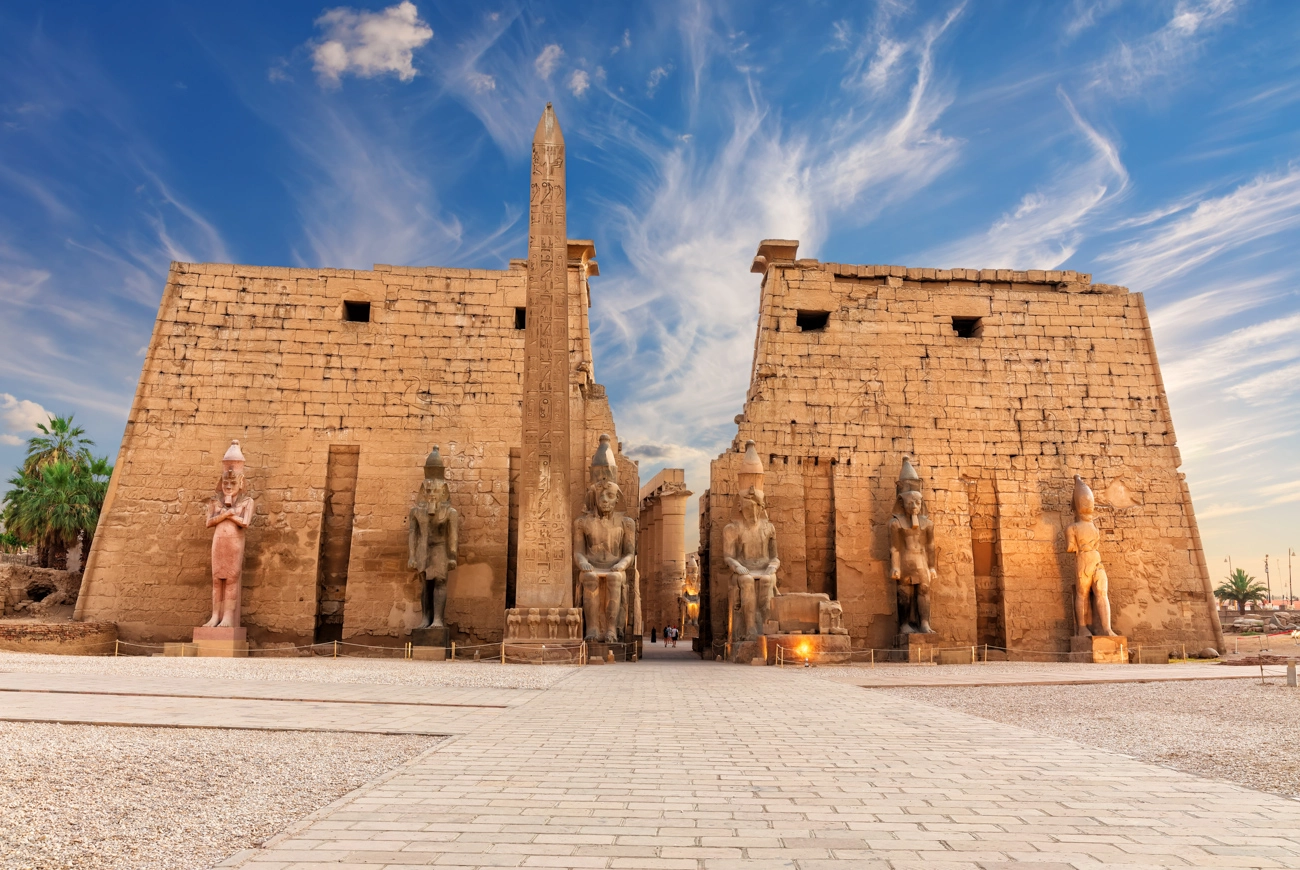
Luxor Temple
Explore one of ancient Thebes’ most atmospheric temples in the heart of modern Luxor.
Explore Site →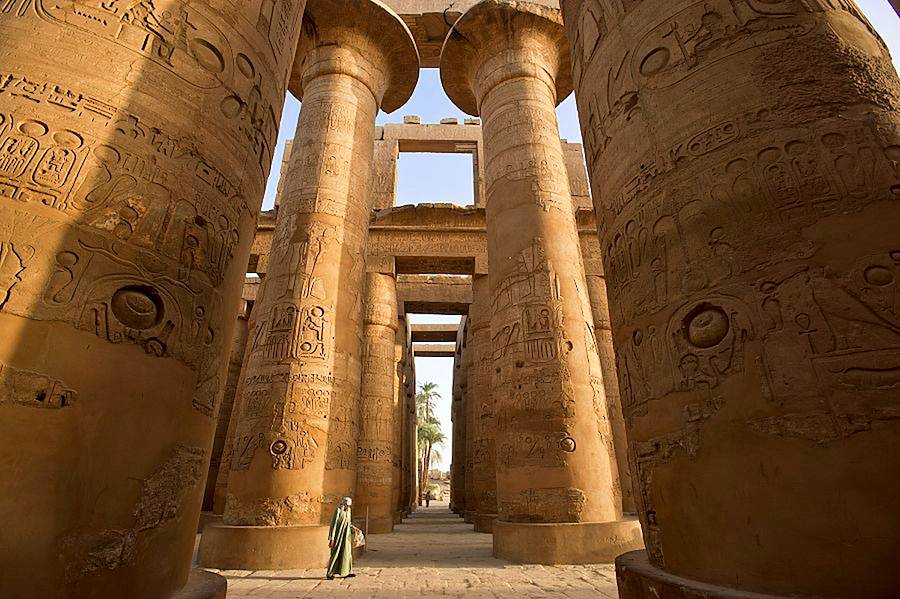
Karnak Temple Complex
Walk through the immense sanctuary of Amun and the monumental Great Hypostyle Hall.
Explore Site →
Luxor Museum
See royal statues and beautifully presented masterpieces discovered across ancient Thebes.
Explore Site →
Colossi of Memnon
See the two monumental seated statues of Amenhotep III guarding the Theban West Bank.
Explore Site →Frequently Asked Questions
Everything you need to know before visiting the Mummification Museum in Luxor, Egypt.
What is the Mummification Museum?
The Mummification Museum is a specialized archaeological museum explaining ancient Egyptian embalming through mummies, tools, materials and funerary objects.
Where is the Mummification Museum located?
It is located on Luxor’s East Bank beneath the Nile Corniche, just north of Luxor Temple.
When did the Mummification Museum open?
The Mummification Museum officially opened in 1997.
What is the Mummification Museum famous for?
It is famous for explaining the complete mummification process and for displays including the mummy of Masaharta, embalming tools, canopic jars and animal mummies.
What can visitors see inside the Mummification Museum?
Visitors can see the mummy of Masaharta, mummified animals, embalming tools and substances, canopic vessels, amulets, shabtis, coffins and funerary scenes.
How long should I spend at the Mummification Museum?
Allow about 45–60 minutes for a comfortable visit to the museum’s compact exhibition.
Can I visit the Mummification Museum and Karnak Temple on the same day?
Yes. Both are on Luxor’s East Bank and can easily be combined in the same private sightseeing itinerary.
Can I combine the Mummification Museum with Luxor Temple?
Yes. Luxor Temple is only a short drive away, making the two attractions an excellent combination.
Is the Mummification Museum suitable for families?
Yes. Its manageable size and clear presentation make it easier for families to explore than a very large museum collection.
Is an Egyptologist guide useful at the Mummification Museum?
Yes. Yes. An Egyptologist can explain the embalming stages, identify the tools and symbols, and connect the objects with ancient Egyptian beliefs about the afterlife.