

More Than a Fortress…
The Stronghold That Ruled Cairo
The Saladin Citadel is one of Cairo’s most commanding historic landmarks. Construction began in the late 12th century under Salah al-Din (Saladin), who chose the Mokattam hills as a strategic location for a fortified stronghold protecting Cairo from Crusader threats.
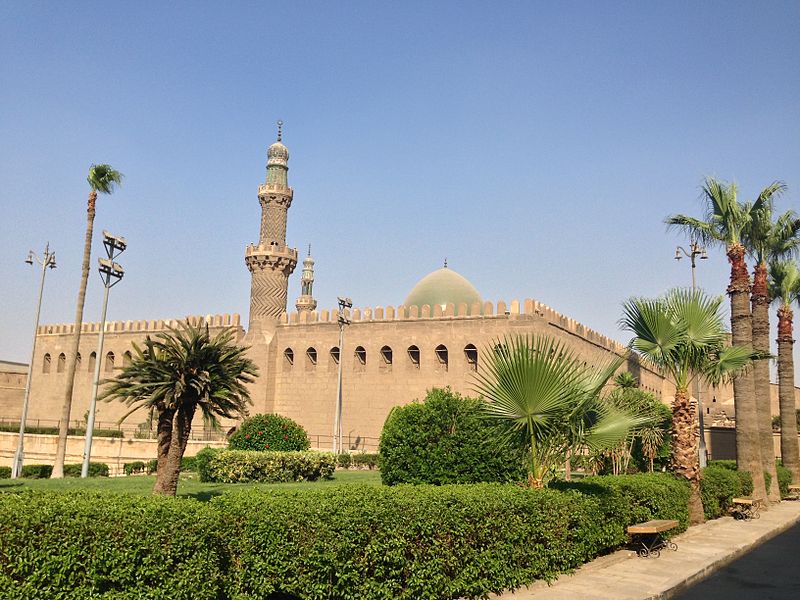
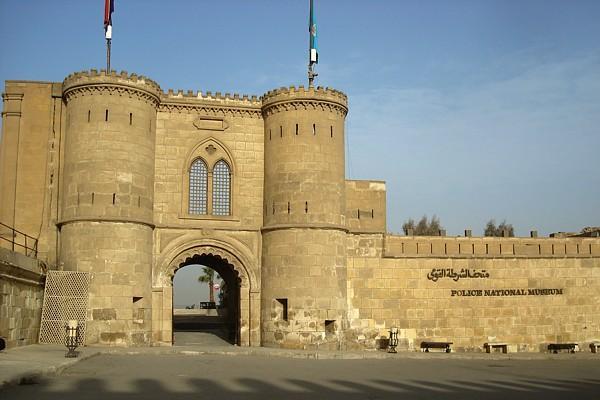
For centuries, the Citadel served as the seat of Egypt’s rulers and evolved under Ayyubid, Mamluk, and Ottoman control. Palaces, mosques, defensive walls, towers, and administrative buildings transformed the fortress into a political and military center overlooking the medieval city.
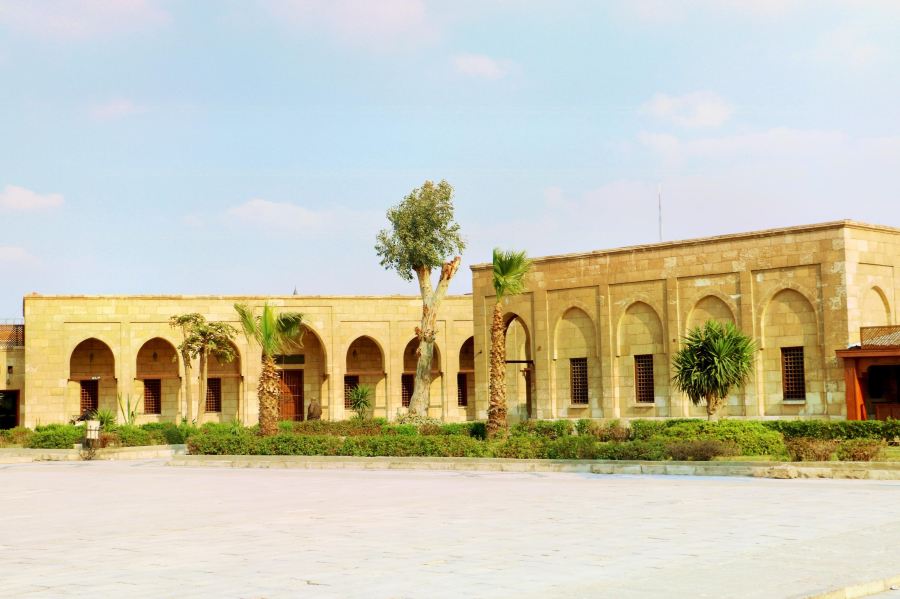
Today, visitors can explore monumental mosques, medieval walls, historic gates, museums, royal spaces, and panoramic terraces overlooking Cairo. The Saladin Citadel is especially rewarding when combined with the nearby Sultan Hassan and Al-Rifa’i mosques, Ibn Tulun Mosque, and the lanes of Historic Cairo.

Discover Ten Remarkable Highlights Inside Cairo’s Historic Citadel
Select a highlight to explore monumental mosques, historic gates, defensive towers, museums, courtyards, and panoramic viewpoints across the Saladin Citadel.





Plan Your Saladin Citadel Visit
Prepare for a smoother visit with practical information about tickets, recommended time, mosque etiquette, photography, walking conditions, accessibility, and guided experiences.
Tickets and Entry
A general admission ticket provides access to the main Citadel complex and its principal monuments. Access to individual museums or special areas may vary, so check current visitor arrangements before arrival.
Allow 2–3 Hours
Allow enough time to explore the Mosque of Muhammad Ali, Al-Nasir Muhammad Mosque, historic courtyards, defensive architecture, museums, and panoramic viewpoints without rushing.
Visit in the Morning
Morning visits are usually more comfortable, particularly during warmer months, and often provide clearer light for photographing the mosques, courtyards, and Cairo skyline.
Dress Respectfully
Wear modest clothing when entering the mosques, with shoulders and knees covered. Visitors may also be asked to remove their shoes before entering prayer areas.
Panoramic Cairo Views
The Citadel offers excellent photography around the Mosque of Muhammad Ali and its elevated terraces. Photography restrictions may apply inside museums or selected religious spaces.
Explore with a Private Guide
A knowledgeable guide helps connect the Ayyubid, Mamluk, Ottoman, and Muhammad Ali periods while explaining the Citadel’s architecture, mosques, military history, and political importance.
Expect Slopes and Steps
The Citadel includes stone paving, slopes, steps, and considerable walking between monuments. Travelers with limited mobility should arrange a carefully planned route and private transportation.
Combine with Historic Cairo
The Citadel combines perfectly with Sultan Hassan Mosque, Al-Rifa’i Mosque, Old Cairo, Al-Muizz Street, or Khan El Khalili for a full day exploring Cairo’s historic heritage.
Travel note: Opening hours, ticket arrangements, museum access, restoration work, prayer times, and photography rules may change. Confirm current visitor information before arrival.
Explore Historic Cairo with a Private Egyptologist
Enjoy a carefully planned Citadel visit with private transportation, rich historical context, and time to explore its mosques, museums, architecture, and panoramic views.
Remarkable Facts About the Saladin Citadel
Discover fascinating facts about the fortress that dominated Cairo’s political, military, and architectural history for centuries.
Construction Began Under Saladin
Saladin began constructing the Citadel in the late 12th century as part of a major defensive plan to protect Cairo from Crusader attack.
Seat of Government
For centuries, the Citadel served as the residence and administrative center of Egypt’s rulers through Ayyubid, Mamluk, Ottoman, and Muhammad Ali periods.
Muhammad Ali Mosque
The Mosque of Muhammad Ali is instantly recognizable by its great dome and two slender Ottoman-style minarets rising above Cairo’s skyline.
Cairo’s Tallest Historic Minarets
The twin minarets of the Mosque of Muhammad Ali rise approximately 84 meters and remain a defining feature of Cairo’s skyline.
Private Cairo & Egypt Tours Including the Saladin Citadel
Discover carefully designed private Egypt tours featuring Saladin Citadel, Saladin Citadel, the Giza Pyramids, museums, royal monuments, and Egypt’s most important archaeological and heritage sites.
Nearby Attractions Around the Saladin Citadel
Continue through Historic Cairo with four important landmarks that combine naturally with a visit to the Citadel.
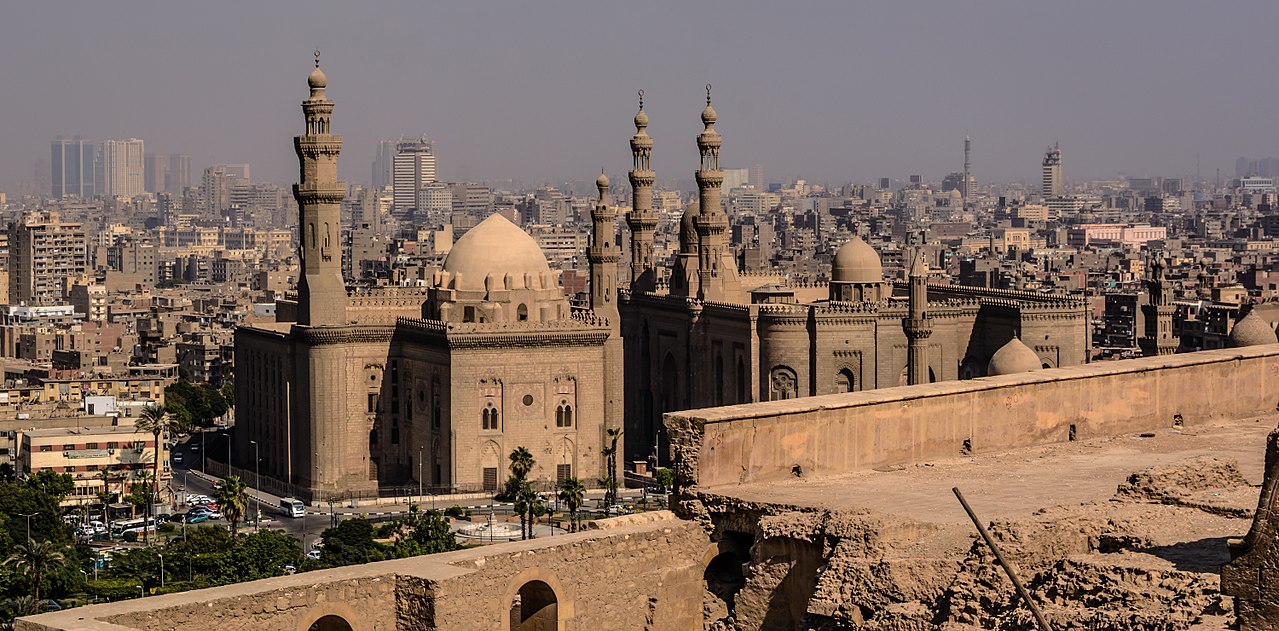
Sultan Hassan & Al-Rifai
Admire two monumental mosques facing the Citadel, celebrated for Mamluk architecture, royal tombs, and dramatic interiors.
Explore Site
Ibn Tulun & Gayer-Anderson
Explore Cairo’s oldest surviving mosque beside two beautifully preserved historic houses filled with art and traditional details.
Explore Site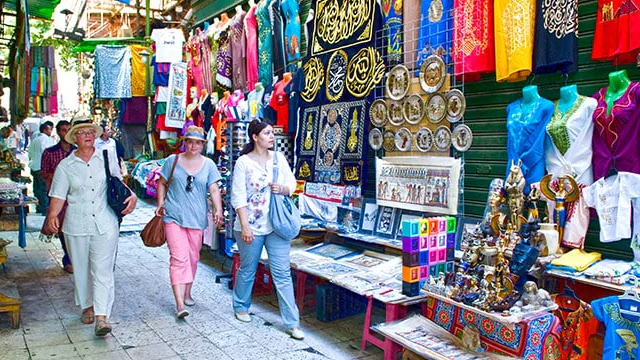
Al-Muizz Street & Khan El Khalili
Walk among medieval monuments, ornate façades, old markets, traditional workshops, and Cairo’s most famous historic bazaar.
Explore Site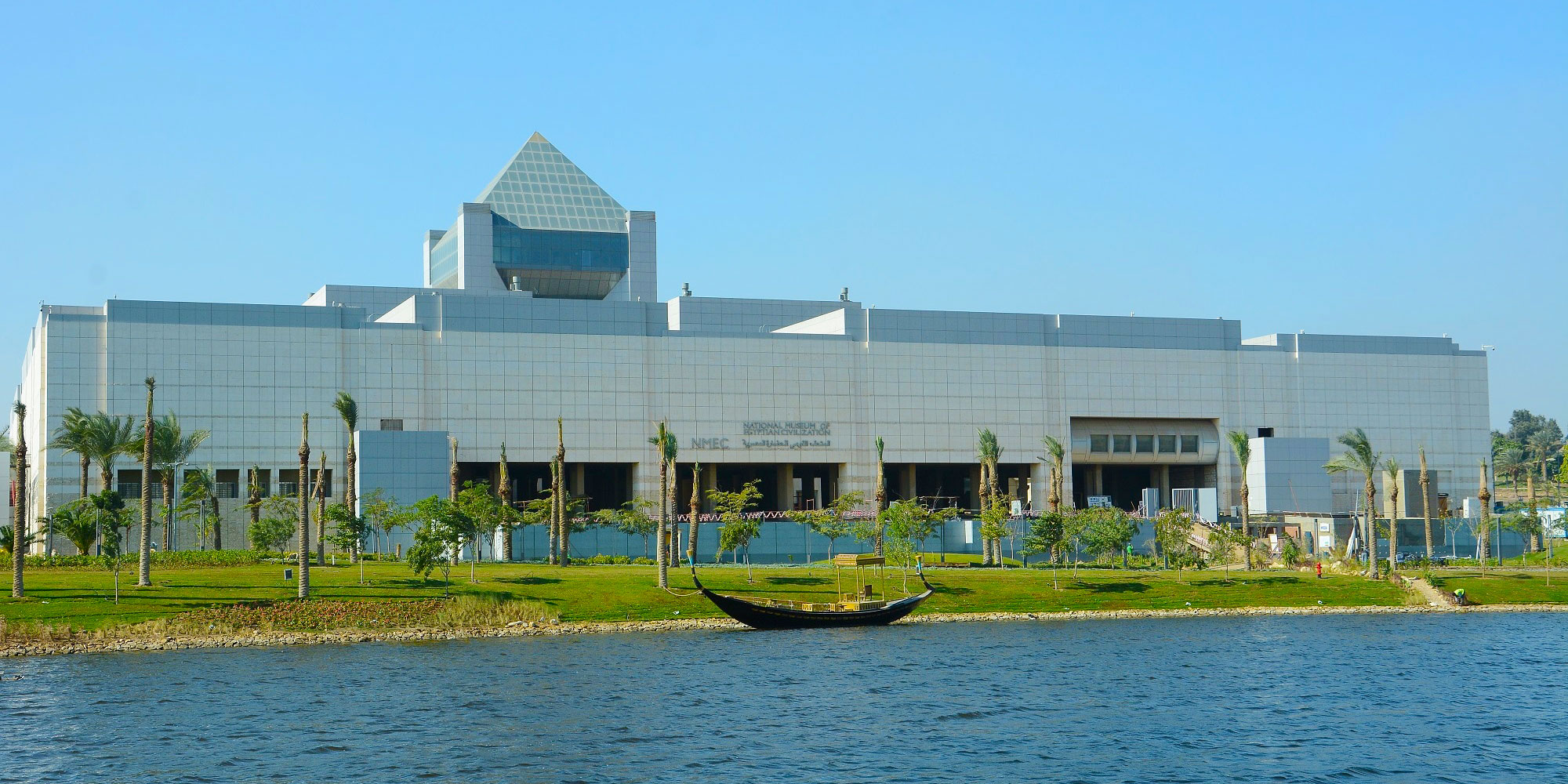
National Museum of Egyptian Civilization
Follow Egypt’s story across the ages and visit the celebrated Royal Mummies Hall in nearby Fustat.
Explore SiteFrequently Asked Questions
Everything you need to know before visiting the Saladin Citadel of Cairo.
How much time should I spend at the Saladin Citadel?
Most visitors should allow around two to three hours to explore the Mosque of Muhammad Ali, historic mosques, museums, courtyards, defensive architecture, and panoramic viewpoints.
Why is the Saladin Citadel important in Cairo’s history?
The Citadel was built as a strategic fortress under Saladin and later became the political and administrative center of Egypt’s rulers for centuries.
What can I see inside the Saladin Citadel?
Highlights include the Mosque of Muhammad Ali, Al-Nasir Muhammad Mosque, Suleiman Pasha Mosque, museums, defensive walls, historic courtyards, and panoramic views over Cairo.
Who built the Saladin Citadel?
Construction began under Salah al-Din, known in the West as Saladin, in the late 12th century as part of his plan to strengthen Cairo’s defenses.
What is the best time to visit the Saladin Citadel?
Morning is usually the most comfortable time, with softer light, cooler temperatures, and clearer panoramic views across Cairo.
What attractions can be combined with the Saladin Citadel?
The nearby Sultan Hassan and Al-Rifa’i mosques are the easiest addition. Ibn Tulun Mosque, the Gayer-Anderson Museum, Al-Muizz Street, and Khan El Khalili also fit naturally into a Historic Cairo day tour.
Is the Mosque of Muhammad Ali worth visiting?
Absolutely. The Mosque of Muhammad Ali is the Citadel’s most famous landmark, known for its monumental dome, Ottoman-inspired design, elegant courtyard, and sweeping Cairo views.
Is the Saladin Citadel suitable for children and families?
Yes. The large open courtyards, dramatic mosques, military history, museums, and panoramic views can be enjoyable for families, especially with an engaging private guide.
Is the Citadel accessible for visitors with limited mobility?
Some areas are accessible, but the Citadel includes slopes, steps, stone paving, and large distances between attractions. A carefully planned route and private transportation are recommended.
Is a private guide recommended for the Saladin Citadel?
Yes. A knowledgeable guide helps connect the Ayyubid, Mamluk, Ottoman, and Muhammad Ali periods and explains the architecture, political history, and religious significance of the major monuments.