

A Museum of Islamic Creativity Across Centuries
The Museum of Islamic Art in Bab al-Khalq preserves one of the most important collections of Islamic art in the world. Its holdings represent artistic production in Egypt and across the wider Islamic world through many centuries and dynasties.
The institution grew from efforts in the nineteenth century to gather Islamic antiquities, first associated with the Mosque of al-Hakim. The present museum building opened in 1903 and became a landmark collection for woodwork, manuscripts, ceramics, metal, glass, textiles and other arts.
Beyond decorative objects, the galleries also reveal Islamic scientific culture through instruments connected with astronomy, medicine and measurement — making the museum much broader than a collection of mosque decoration.

Ten Highlights at the Museum of Islamic Art
These ten themes reveal the museum’s range — sacred manuscripts, architectural woodwork, ceramics, metal, glass, textiles and the scientific instruments of Islamic civilization.


_cent.;_Cairo,_Museum_of_Islamic_Art.jpg)
.jpg)
.jpg)
.jpg)
.jpg)


_cent.,Cairo,_Museum_of_Islamic_Art_(1).jpg)
Everything You Need to Know Before Visiting the Museum
The collection is large, so a focused visit works best: choose the materials that interest you most, then leave time for the manuscript, woodwork, metalwork and science galleries.
09:00–17:00 Daily
The Ministry currently lists the museum as open every day from 9:00 AM to 5:00 PM.
EGP 270 Adult
Current Ministry listing: EGP 270 foreign adult and EGP 135 foreign student.
1.5–2.5 Hours
A focused visit can be done in around 90 minutes; allow longer if you enjoy manuscripts, decorative arts or reading object labels closely.
Bab al-Khalq
The museum stands in central Cairo at Bab al-Khalq, within easy reach of Historic Cairo and major Islamic monuments.
Choose Your Themes
The collection is extensive. Prioritize manuscripts, woodwork, ceramics, metalwork, glass, textiles or scientific instruments according to your interests.
Check on Arrival
Museum photography rules can change. Confirm the current policy and any ticket requirements at the entrance before photographing.
Art + Craft + Science
This museum is especially rewarding for travellers who want to understand the craftsmanship behind the architecture seen across Islamic Cairo.
Al-Muizz + Khan
Pair the museum with Al-Muizz Street and Khan El Khalili for a full day connecting museum objects with surviving historic architecture.
Travel note: Public viewing conditions, plateau hours and private-access arrangements can change. Reconfirm current official visitor information before travel.
See the Art Before You Meet It in Cairo’s Monuments
A museum visit adds depth to Islamic Cairo: after seeing carved wood, glass, metal and calligraphy up close, the same artistic vocabulary becomes easier to recognize in mosques, madrasas and historic houses.
Four Facts Behind the Museum
The collection grew from nineteenth-century preservation efforts into one of the world’s major museums devoted to Islamic art.
Museum Opened
The present museum building at Bab al-Khalq opened at the beginning of the twentieth century.
Collection
The museum preserves an exceptionally large collection of Islamic art objects across many media and periods.
Major Damage
A nearby bombing caused severe damage to the building and collection, leading to an extensive restoration effort.
Reopened
The restored museum reopened to visitors after conservation of the building and affected objects.
Add the Museum of Islamic Art to Your Cairo Journey
Three programmes from your live collection chosen for heritage, education and deeper Cairo context. The museum is presented as an optional addition unless the published itinerary explicitly includes it.


Nearby Attractions Around the Museum of Islamic Art
Continue into Historic Cairo to connect the museum’s objects with the architecture, markets and monuments they help explain.

Al-Muizz Street
Walk through centuries of Islamic architecture after seeing the same decorative traditions up close in the museum.
Explore →
Khan El Khalili
Continue into Cairo’s historic market district for traditional crafts, cafés and living urban heritage.
Explore →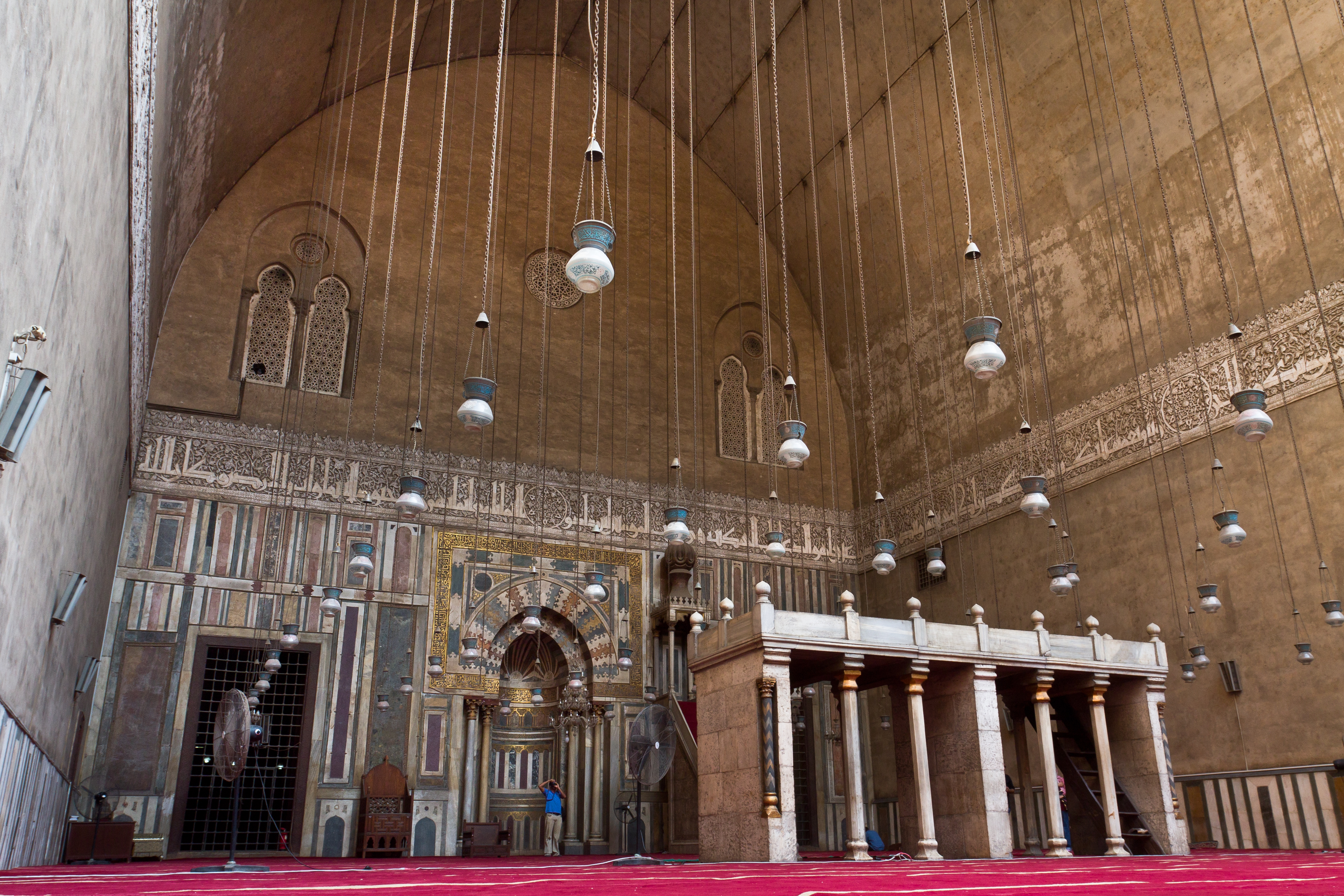
Sultan Hassan Mosque
See monumental Mamluk architecture after studying Islamic wood, stone, metal and calligraphy in the museum.
Explore →
Saladin Citadel
Extend the story into Cairo’s medieval fortress and its major mosques overlooking the historic city.
Explore →Museum of Islamic Art Cairo Visitor Questions
Practical answers for planning a visit to Cairo’s major museum of Islamic art and material culture.
What is the Museum of Islamic Art Cairo famous for?
It is known for its vast collection of Islamic art, including manuscripts, carved wood, ceramics, metalwork, glass, textiles, architectural elements and scientific instruments.
When did the Museum of Islamic Art Cairo open?
The museum’s present building at Bab al-Khalq opened in 1903, after earlier efforts to collect and preserve Islamic antiquities in Cairo.
How large is the collection?
The museum preserves more than 100,000 objects representing many centuries, regions and artistic traditions of Islamic civilization.
What should I make sure to see?
Prioritize Qur’anic manuscripts and calligraphy, carved wood, Mamluk metalwork and glass, ceramics, textiles and the scientific-instrument displays.
What are the current opening hours?
The Ministry currently lists the museum as open daily from 9:00 AM to 5:00 PM.
How much is the foreign visitor ticket?
At the time of checking, the Ministry lists EGP 270 for foreign adults and EGP 135 for foreign students.
How long should I spend in the museum?
Around one and a half to two and a half hours works well for most visitors, depending on how deeply you explore the collection.
Was the museum damaged in 2014?
Yes. A bombing targeting the nearby Cairo Security Directorate severely damaged the museum in January 2014. The building and collection underwent major restoration before reopening.
Is the museum only about religious art?
No. The collection includes religious material, but also everyday objects, luxury arts, scientific instruments, textiles, ceramics, metalwork and architectural decoration.
What should I combine with the museum?
Al-Muizz Street and Khan El Khalili are excellent continuations. Sultan Hassan and the Saladin Citadel also connect the museum collection with surviving Islamic architecture.