

St. Mark’s Cathedral: A Living Link to Alexandria’s Early Church
St. Mark’s Coptic Orthodox Cathedral stands a few blocks inland from Alexandria’s seafront near Raml Station. The official Experience Egypt guide describes the present building as an early-20th-century facsimile with a Byzantine appearance.
The cathedral is dedicated to St. Mark the Evangelist, whose tradition is inseparable from the foundation of Christianity in Alexandria and the historic See of St. Mark.
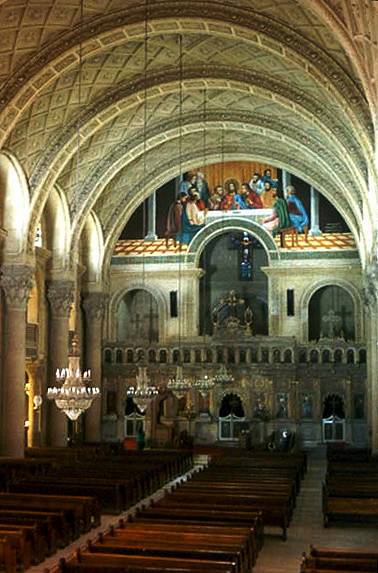
Inside, visitors encounter a sacred space that continues to function as a place of worship. The official guide also notes that remains of early patriarchs of the Alexandrian Church are interred in a chapel within the building.

Discover Ten Highlights of St. Mark’s Cathedral
From the historic façade and towers to the sacred interior and artistic details, these highlights reveal the cathedral as both a living place of worship and a major Coptic heritage landmark.



Everything You Need to Know Before Visiting St. Mark’s Cathedral
This is an active place of worship, so a respectful visit depends on current church access, service times and on-site guidance rather than a fixed museum-style schedule.
Active Cathedral
Visitor access can vary around services, religious events and church activities. Check locally before planning a timed visit.
Outside Services
A quieter time outside major services is generally better for appreciating the architecture without disturbing worship.
Allow 45–60 Minutes
This is usually enough for a respectful visit focused on the main interior, architectural details and cathedral history.
Check Current Access
The official Alexandria guide does not publish a standard visitor admission fee for the cathedral; confirm any current arrangements on site.
Dress Respectfully
Choose modest clothing appropriate for an active Coptic Orthodox church and avoid overly casual sightseeing attire.
Keep Voices Low
Move quietly, avoid interrupting services and follow any instructions from church staff or clergy.
Ask Before Shooting
Photography rules can change, especially during worship. Ask before photographing people, services or restricted areas.
Combine with Downtown
The cathedral’s central location works well with Kom El Dikka, the Greco-Roman Museum and Alexandria Corniche.
Travel note: Alexandria’s waterfront is long and traffic conditions vary. A private itinerary can connect the most interesting Corniche sections without turning the day into one long drive.
Explore Alexandria Corniche with a Private Guide
Turn the waterfront into a story of ancient harbours, modern Alexandria and Mediterranean city life while connecting the Corniche with the landmarks that matter most to you.
Four Reasons St. Mark’s Cathedral Is Special
Its importance comes from the meeting point of Coptic faith, Alexandrian history and a still-active religious tradition.
Works Decided
The historic Eastern Harbour Corniche project was decided in 1897 as part of Alexandria’s modern urban reorganisation.
Historic Section Completed
Centre d’Études Alexandrines records completion of the early waterfront works by 1907.
Original Harbour Works
Those early works reshaped roughly four kilometres of the Eastern Harbour shoreline between Qaitbay Fort and Silsileh.
Ancient Harbour Zone
The Ministry describes the Eastern Harbour archaeological zone between Silsileh and Qaitbay as covering approximately 600 hectares.
Add Coptic Alexandria to Your Egypt Journey
These itineraries can incorporate St. Mark’s Cathedral on request, subject to routing, church access and the pace of your trip.

What to See Near St. Mark’s Cathedral
These central Alexandria landmarks combine naturally with a St. Mark’s Cathedral visit and all have live pages on Egypt Travel Consultant.

Greco-Roman Museum
Explore the city’s Greek and Roman collections close to the cathedral.
Explore Site
Kom El Dikka
Visit the excavated Roman-era complex with its theatre, baths and residential remains.
Explore Site
Alexandria National Museum
Continue through Alexandria’s long history in a museum housed in a historic palace.
Explore Site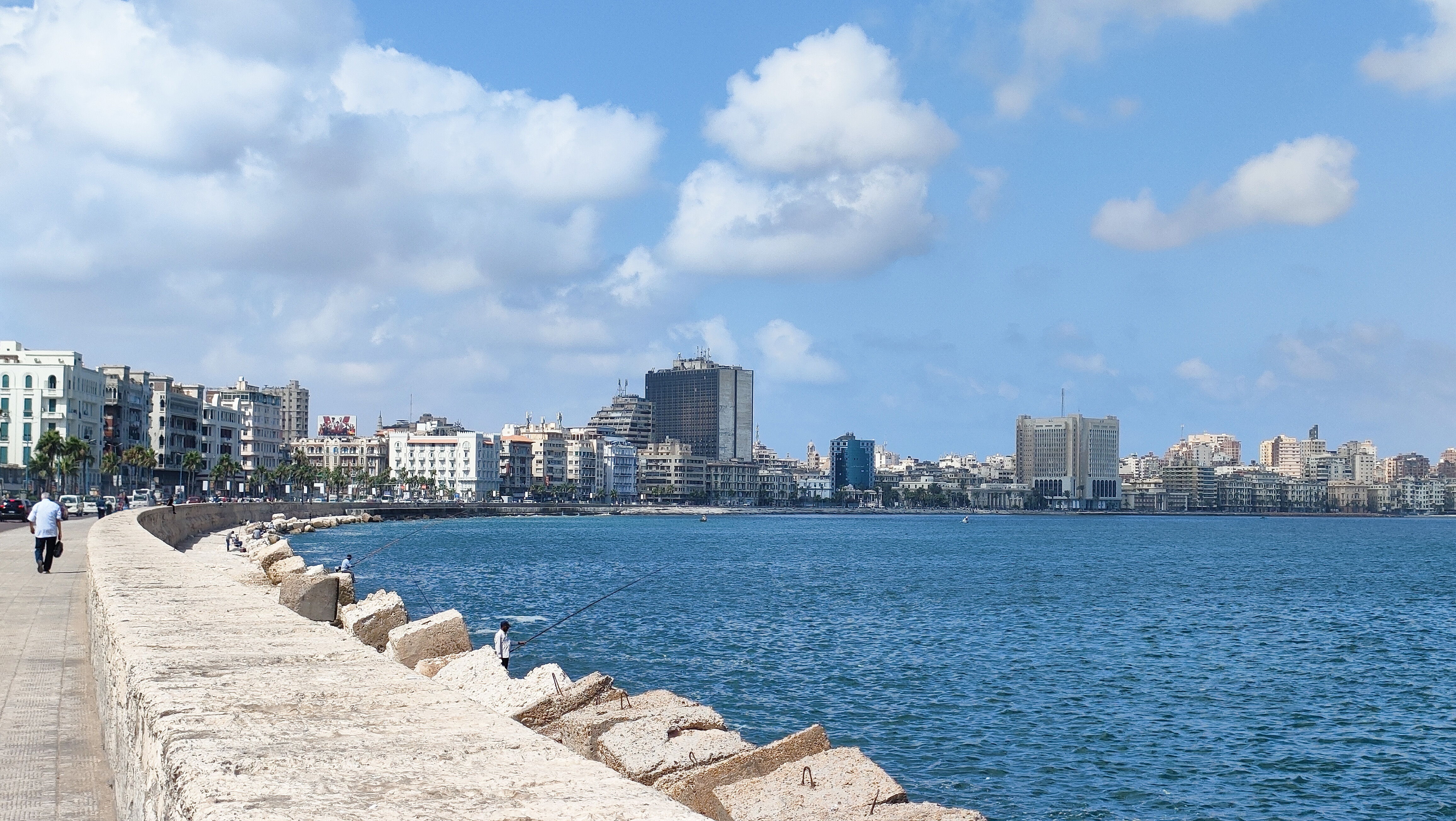
Alexandria Corniche
Walk or drive to the city’s waterfront for sea views and an easy contrast with the historic centre.
Explore SiteSt. Mark’s Cathedral Alexandria FAQs
Practical answers for enjoying Alexandria’s Mediterranean waterfront.
Where is St. Mark’s Coptic Orthodox Cathedral?
It is in central Alexandria near Raml Station, a few blocks inland from the seafront.
Is the cathedral historic?
Yes. Experience Egypt describes the present building as an early-20th-century facsimile with a Byzantine appearance, while the site is deeply tied to the historic See of St. Mark.
Is it still an active church?
Yes. It is a functioning Coptic Orthodox cathedral, so visitor access should always respect services and church activities.
What can I see inside?
Visitors can appreciate the nave, sacred interior, architectural details and the cathedral’s connection with Alexandrian Christian heritage.
Are patriarchs buried there?
The official Experience Egypt Alexandria guide states that remains of early patriarchs of the Alexandrian Church are interred in a chapel within the building.
How long should I allow?
Around 45–60 minutes is a practical planning range for a respectful sightseeing visit.
Is there a fixed entrance fee?
The official Alexandria guide does not list a standard visitor admission fee. Check current access arrangements locally.
What should I wear?
Wear modest, respectful clothing suitable for an active church.
Can I take photos?
Ask before photographing, especially during worship or where church staff indicate restrictions.
What can I combine it with?
The Greco-Roman Museum, Kom El Dikka, Alexandria National Museum and the Corniche all work well in the same central-Alexandria route.