
.jpg)
Why Gayer-Anderson Museum Cairo Is Special
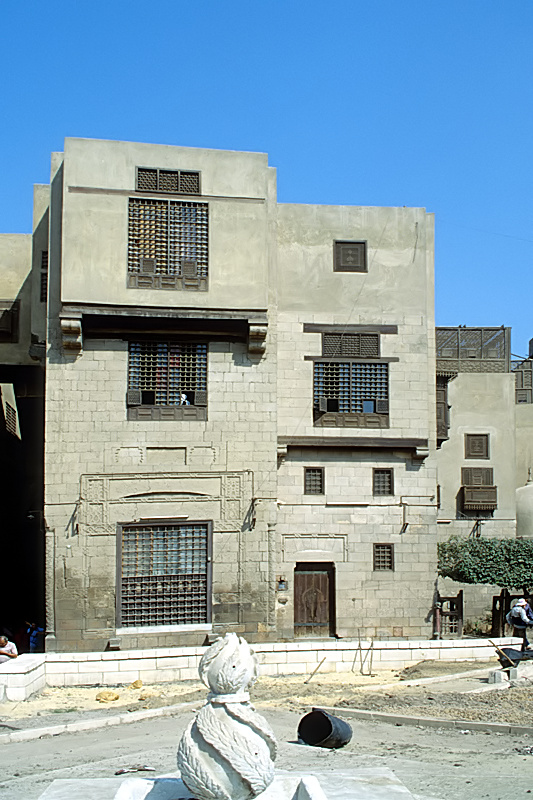
Gayer-Anderson Museum Cairo occupies two adjoining historic houses beside the Mosque of Ahmad Ibn Tulun. The older house was built in 1540 and the second in 1631; the two were later connected by a passage.
The museum is also known as Bayt al-Kritliyya. Its rooms preserve the atmosphere of elite Cairene domestic architecture through courtyards, carved wood, mashrabiya screens, reception spaces and carefully furnished interiors.
British officer and collector Major R. G. Gayer-Anderson lived in the houses from 1935 to 1942. He restored and furnished them with Egyptian, Islamic and international antiquities and artworks before leaving the collection to Egypt.

Ten Highlights at Gayer-Anderson Museum
Move through historic courtyards, reception rooms and private spaces where architecture, furniture and collected objects create one of Cairo’s most atmospheric house museums.


Gayer-Anderson Museum Cairo: Everything to Know Before You Go
This is a compact but detail-rich historic house museum. Allow time to look closely at the woodwork, rooms and collections, then combine it with the neighbouring Mosque of Ibn Tulun.
09:00–17:00 Daily
The Ministry currently lists the museum as open daily from 9:00 AM to 5:00 PM.
16:00
The current Ministry listing states that the ticket window closes at 4:00 PM.
EGP 200 Adult
Current Ministry listing: EGP 200 foreign adult and EGP 100 foreign student.
Beside Ibn Tulun Mosque
The museum stands next to the Mosque of Ahmad Ibn Tulun in the Sayyida Zeinab area of Cairo.
1–1.5 Hours
The houses are compact, but their rooms and decorative details reward an unhurried visit.
Ibn Tulun Mosque
Visit the museum and neighbouring mosque together for architecture from very different periods of Islamic Cairo.
Architecture + Interiors
Ideal for travellers interested in historic houses, traditional Cairene design, decorative arts and photography.
Stairs & Passages
Expect a historic-house layout with stairs, narrow passages and changing levels rather than a modern open-plan museum.
Travel note: Public viewing conditions, plateau hours and private-access arrangements can change. Reconfirm current official visitor information before travel.
Experience Historic Cairo From the Inside
Mosques and monuments show Cairo’s public face; Gayer-Anderson Museum reveals the private one — how rooms, courtyards, screens and decoration shaped life inside a traditional urban home.
Four Facts Behind Gayer-Anderson Museum
The museum’s character comes from the meeting of two historic Cairene houses and the remarkable collection of the man who later lived in them.
First House
The older of the two houses dates to the sixteenth century.
Second House
A seventeenth-century neighbouring house was later joined to the first.
Gayer-Anderson
The British officer and collector lived in, restored and furnished the houses during this period.
Historic Name
The museum is widely known by the traditional name associated with one of its historic residents.
Add Gayer-Anderson Museum Cairo to Your Journey
Three programmes chosen for Islamic Cairo, local culture and heritage. Gayer-Anderson Museum can be requested as an additional visit unless the published itinerary explicitly includes it.


What to See Near Gayer-Anderson Museum Cairo
Its position beside Ibn Tulun places the museum within easy reach of the Citadel, Sultan Hassan and Al-Rifa’i in the heart of historic Cairo.

Sultan Hassan Mosque
Explore one of Mamluk Cairo’s greatest monumental mosque-madrasa complexes.
Explore →
Al-Rifa’i Mosque
Visit the royal mausoleum mosque opposite Sultan Hassan in Salah al-Din Square.
Explore →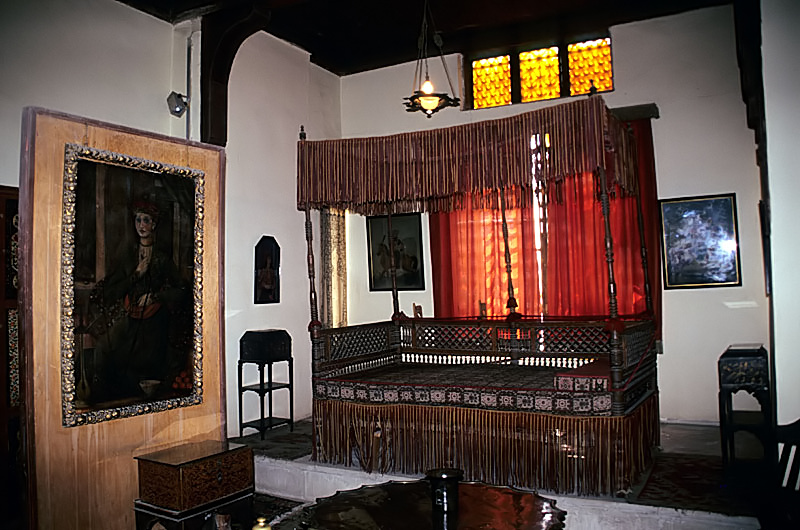
Saladin Citadel
Continue to Cairo’s great medieval fortress and its commanding city views.
Explore →
Museum of Islamic Art
See manuscripts, ceramics, woodwork, metalwork and masterpieces from across the Islamic world.
Explore →Gayer-Anderson Museum Cairo Visitor Questions
Practical answers for planning a visit to this atmospheric historic house museum beside Ibn Tulun Mosque.
What is Gayer-Anderson Museum Cairo?
It is a museum formed from two adjoining historic Cairene houses, furnished with the collection of Major R. G. Gayer-Anderson.
How old are the two houses?
The Egyptian Ministry dates the two houses to 1540 and 1631.
Who was Gayer-Anderson?
Major R. G. Gayer-Anderson was a British officer, physician and collector who lived in the houses from 1935 to 1942 and furnished them with his collection.
Why is it called Bayt al-Kritliyya?
The museum is also known as Bayt al-Kritliyya, a historic name associated with one of the houses and its former residents.
Where is the museum?
It stands beside the Mosque of Ahmad Ibn Tulun in the Sayyida Zeinab area of Cairo.
What are the current opening hours?
The Ministry currently lists the museum as open daily from 9:00 AM to 5:00 PM, with the last ticket at 4:00 PM.
How much is the foreign ticket?
The current Ministry listing gives EGP 200 for foreign adults and EGP 100 for foreign students.
How long should I spend there?
Around one to one and a half hours is usually enough, though architecture lovers may want longer.
What makes the museum worth visiting?
Unlike a conventional gallery, it preserves the atmosphere of historic Cairene homes through courtyards, mashrabiya, rooms, furnishings and collected objects.
What should I combine with it?
The neighbouring Mosque of Ibn Tulun is the natural companion visit; Sultan Hassan, Al-Rifa’i and the Citadel are also nearby.